Latest posts
-
The Electric Pioneer: Charlie Christian and the Birth of the Modern Guitar Solo
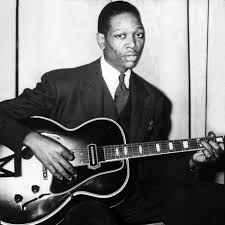
The Oklahoma Prophet and the Gibson Revolution To grasp the tectonic shift that Charlie Christian brought to modern music, you have to picture the jazz landscape of 1939. The guitar was essentially an acoustic timekeeper, a glorified metronome buried deep within the rhythm sections of roaring swing orchestras. Enter Charlie Christian. Born in Texas and…
-
The Bass Prophet: Jaco Pastorius and the Electric Emancipation of the Fretless Groove
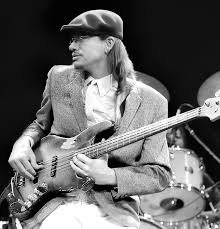
The Florida Beach Boy and the “Bass of Doom” To understand the seismic arrogance and absolute genius of Jaco Pastorius, you have to picture him walking up to Weather Report leader Joe Zawinul in 1975 and boldly declaring: “I’m Jaco Pastorius, and I’m the greatest bass player in the world.” He wasn’t lying. Growing up…
-
The Shadow Side of Copacabana: Os Ipanemas and the Dark Alchemy of Afro-Bossa
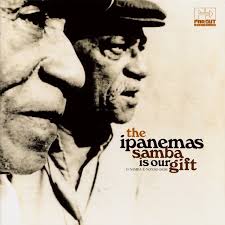
The Anti-Bossa Manifesto of 1964 To truly map the evolutionary cracks of The Jazz Compass, you have to travel back to Rio de Janeiro in 1964. While the world was hypnotized by the breezy, polite jazz-samba of Stan Getz and Astrud Gilberto, a collective of brilliant Afro-Brazilian studio musicians and jazz cats gathered in a…
-
The Electric Alchemist: Chick Corea and the Infinite Architecture of Fusion and Flamenco
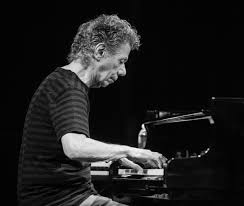
The Avant-Garde Crucible and the Electric Miles Revolution To grasp the vast, kaleidoscopic genius of Chick Corea, you have to look past his sunny, late-career acoustic ensembles and dive straight into the underground grit of late-1960s New York. A young piano prodigy heavily influenced by both the classical precision of Béla Bartók and the hard-bop…
-
The Velvet Sound: Stan Getz and the Golden Bridge Between Cool Jazz and Bossa Nova
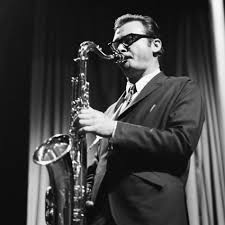
The Prodigy of the Big Bands and the Birth of “The Sound” To understand the immaculate, weightless tone of Stanley Gayetzsky, you have to look back at the fiercely competitive big band era of the 1940s. A teenage prodigy from the Bronx, Getz was already playing with titans like Jack Teagarden and Jimmy Dorsey before…
-
The Polyrhythmic Comet: Tony Williams and the Metric Modulation of Modern Jazz
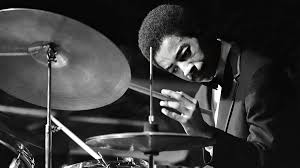
The Teen Prodigy and the Miles Davis Earthquake To grasp the absolute shockwave that Tony Williams represented, you have to picture Miles Davis in 1963, searching for a spark to reinvent his music, walking into a Boston club and being completely paralyzed by a 17-year-old kid behind the drums. Miles hired him on the spot.…
-
The Saxophone Colossus: Sonny Rollins and the Architecture of Stream-of-Consciousness Improvisation
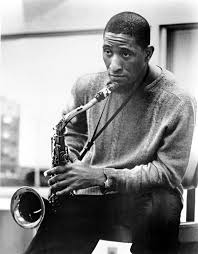
The Crucible of the Masters and the Williamsburg Bridge Exile To understand the titanic, self-demanding genius of Sonny Rollins, you have to realize that by the mid-1950s, he was already considered the undisputed heavyweight champion of the tenor saxophone. He had recorded with Miles, driven Clifford Brown’s quintet to historic heights, and delivered his own…
-
The Hard Bop General: Art Blakey and the Thunder of the Jazz Messengers
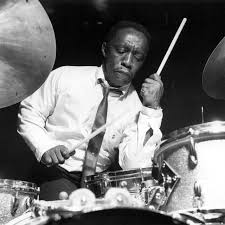
The Blacksmith of the Polyphony To truly map the explosive shift from bebop to hard bop in the mid-1950s, you have to stand directly in front of Art Blakey’s bass drum. Born in Pittsburgh, Blakey started out playing piano before a local club owner forced him to switch to drums at gunpoint to make room…
-
The Thumb of Genius: Wes Montgomery and the Velvet Revolution of the Jazz Guitar
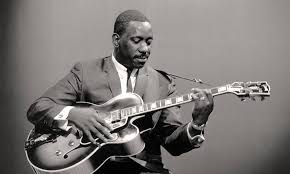
The Midnight Factory Worker and the Calloused Thumb To understand the jaw-dropping virtuosity of John Leslie “Wes” Montgomery, you have to picture a young father in Indianápolis during the late 1940s, working a grueling six-day-a-week shift at a milk factory, only to practice his guitar for hours deep into the night. Because his neighbors complained…