Latest posts
-
Thelonious Monk: The High Priest of Bebop and the Geometry of Sound
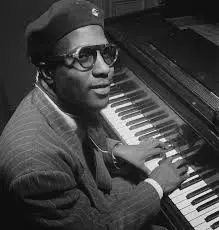
Thelonious Sphere Monk was the visionary who proved that a mistake, when executed with intention and authority, becomes a new form of beauty. While the jazz of his era sought fluidity, Monk introduced percussive syncopation, tritone intervals, and the strategic use of space—the silence between notes was as important as the notes themselves. His international…
-
The Synth Maestro: Joe Zawinul and the Global Texture Revolution
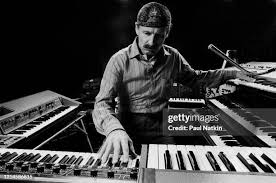
Josef Erich Zawinul was not just a keyboardist; he was one of the greatest musical thinkers of the 20th century. Born in Austria and based in the United States, Zawinul shattered the stereotype that jazz was an exclusively American language. His international relevance was cemented alongside Miles Davis, where he was a key figure in…
-
Tubby Hayes: The British Powerhouse and the Speed of Transatlantic Jazz
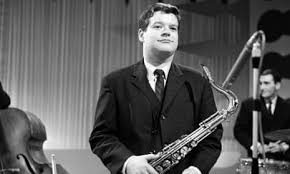
Edward Brian ‘Tubby’ Hayes was not just the most important saxophonist in UK history; he was the musician who shattered the European jazz inferiority complex in the face of American dominance. With inexhaustible stamina and a playing speed that left audiences stunned, Tubby mastered the tenor saxophone, vibraphone, and flute with equal expertise. His international…
-
Stéphane Grappelli: The Poetry of the Bow and the Eternal Glow of Swing
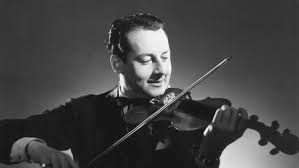
Stéphane Grappelli was not just Django Reinhardt’s partner in the revolutionary Quintette du Hot Club de France; he was the artist who proved that the violin could be an improvisational instrument as agile and vibrant as any New Orleans brass. While American jazz consolidated itself around horns, Grappelli carved a path of pure refinement in…
-
Django Reinhardt: The Gypsy Genius and the Emancipation of European Jazz
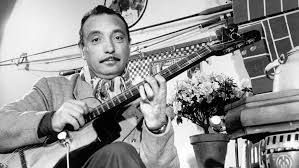
Django Reinhardt was not just a virtuoso; he was the architect of a new musical language: Gypsy Jazz (or Jazz Manouche). Born in a Roma caravan and forced to reinvent his technique after a fire paralyzed two fingers of his left hand, Django defied the logic of both anatomy and music. With his iconic Quintette…
-
Courage: Milton Nascimento’s International Flight and the Aesthetics of the Horizon
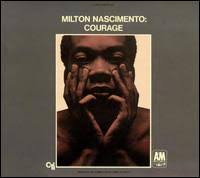
Released by A&M Records and produced by Creed Taylor, Courage (1969) is the ground zero for Milton Nascimento’s presence on the international stage. At a time when the world was still trying to label Brazilian music solely as Bossa Nova, Milton emerged with a voice and a compositional style that seemed to come from a…
-
Wayne Shorter: The Jazz Philosopher and the Journey Beyond Category
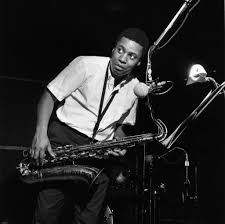
Wayne Shorter didn’t just play jazz; he expanded the horizon of what music could be. Known for his enigmatic tone and his ability to tell stories with just a few notes, Shorter was the creative force behind three of the genre’s most important pillars: Art Blakey’s Jazz Messengers, Miles Davis’s legendary second great quintet, and…
-
Anat Cohen: The Virtuoso of the Reeds and the New Frontier of Global Jazz
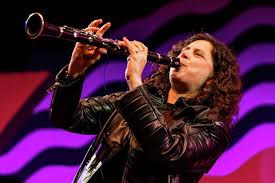
Anat Cohen is not just an instrumentist of flawless technique; she is a force of nature who has broken the barriers between genres and geographical borders. Born in Israel and based in New York, Anat brought to the clarinet an expressiveness that many believed had been confined to the Big Band era. However, her approach…
-
Nelson Faria: The Syncopation Translator and a Global Voice for the Guita
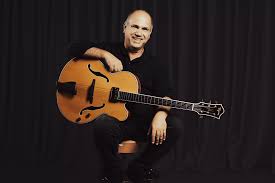
If the Brazilian guitar is studied today with precision in jazz conservatories from Sweden to the United States, it is largely due to the systematic work of Nelson Faria. He has transcended the role of instrumentalist to become one of the most respected ambassadors of this musical language. His international relevance is measured not just…