Latest posts
-
Duke Ellington at Newport 1956: The 27-Chorus Solo That Made Jazz History
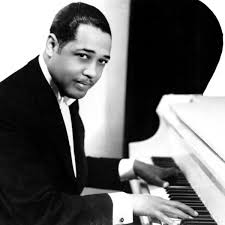
Before the 27 Choruses: Duke Ellington, Newport, and a Career at a Crossroads On the night of July 7, 1956, Duke Ellington arrived at the Newport Jazz Festival carrying something far more complicated than the reputation of a legendary bandleader. He was already one of the foundational figures of American music, a composer whose career…
-
Thelonious Monk and the Geometry of Silence: The Genius Who Reimagined Jazz
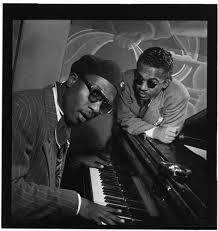
Before the World Understood Monk Few musicians in jazz history have been misunderstood as completely as Thelonious Monk. To listeners encountering him for the first time, his piano playing could appear almost deliberately awkward. Notes arrived where conventional phrasing suggested they should not. Chords could be sharp, dissonant and strangely voiced. He allowed silences to…
-
Ornette Coleman: The Story of The Shape of Jazz to Come and the Birth of Free Jazz
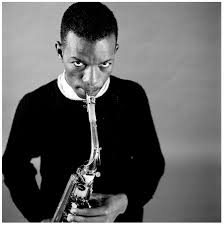
Before the Shape Changed: Ornette Coleman’s Long Road to 1959 When The Shape of Jazz to Come appeared in 1959, its title sounded almost confrontational. Jazz already possessed a powerful modern language. Bebop had transformed harmony and improvisation. Hard bop had reconnected that vocabulary to blues, gospel and rhythmic intensity. Miles Davis was exploring modal…
-
Stan Getz & João Gilberto: The Story of Getz/Gilberto and the Global Rise of Bossa Nova
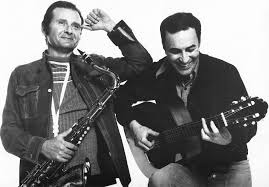
Before Getz/Gilberto: A Revolution Had Already Begun in Brazil When Stan Getz entered a New York studio with João Gilberto and Antônio Carlos Jobim in March 1963, bossa nova did not need to be invented, discovered or rescued by American jazz. One of the most persistent simplifications surrounding Getz/Gilberto is the idea that the album…
-
Charles Mingus: The Story of Mingus Ah Um and the Genius Who Reinvented Jazz Composition
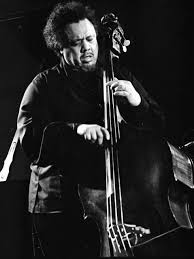
Before Mingus Ah Um: Building a Language Large Enough for Mingus When Mingus Ah Um appeared in 1959, Charles Mingus was thirty-seven years old and had already spent years developing one of the most individual musical languages in modern jazz. The album would eventually become the most accessible entrance into his work, but treating it…
-
Miles Davis and the Birth of Infinity: The Story of Kind of Blue and the Modal Jazz Revolution
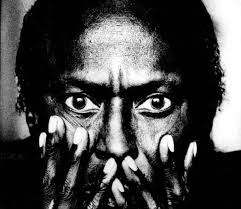
Before Kind of Blue: When Harmony Became a Cage By the end of the 1950s, Miles Davis had reached a point that great improvisers eventually confront: mastery of an existing language had begun to reveal its limitations. Bebop and hard bop had expanded jazz harmony to extraordinary levels of sophistication, but that sophistication came with…
-
Weather Report: The Jazz Fusion Band That Changed Modern Music

Before Fusion Became a Formula Weather Report did not begin as the sleek electric band most listeners associate with Heavy Weather, “Birdland” and Jaco Pastorius. When Joe Zawinul, Wayne Shorter and Miroslav Vitouš formed the group around 1970, their original idea was considerably more open and difficult to categorize. They were emerging from a period…
-
John Taylor: The British Jazz Pianist Who Shaped European Jazz

A Pianist Who Never Needed to Dominate the Room John Taylor occupied an unusual position in European jazz. He was admired intensely by musicians, recorded with some of the most important figures in British and continental jazz, became central to the sound world associated with ECM, composed music of remarkable harmonic sophistication and spent decades…
-
Ray Barretto: The Latin Jazz Legend Who Redefined the Conga
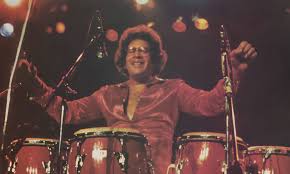
Between Harlem, Puerto Rico and the Language of Jazz Before Ray Barretto became one of the defining percussionists of salsa, before Fania Records turned New York Latin music into an international phenomenon, and before albums such as Acid, Barretto Power, Indestructible and Rican/Struction established him as a major bandleader, he was a young New Yorker…