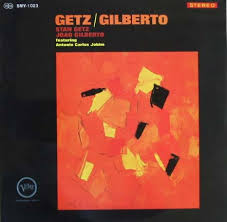
In March 1963, at the A&R studios in New York, a meeting took place that would forever change the perception of Latin music abroad. The album Getz/Gilberto was not merely a collaboration between tenor saxophonist Stan Getz and the fathers of Bossa Nova, João Gilberto and Tom Jobim; it was the birth of a new sonic language.
The context was challenging. Stan Getz, though a master of cool jazz, possessed a difficult temperament that contrasted with João Gilberto’s almost mystical perfectionism and silence. However, this tension resulted in perfect chemistry. João brought the ‘batida’—that revolutionary guitar syncopation that condensed the rhythm of samba—while Getz responded with a velvety, melodic, and economical breath that seemed to float atop Jobim’s sophisticated piano harmonies.
The album’s great triumph was its ability to be both radical and accessible. The inclusion of Astrud Gilberto singing in English on the track ‘The Girl from Ipanema’ was a masterstroke by producer Creed Taylor. Astrud’s voice, stripped of artifice and vibrato, embodied the freshness of Rio de Janeiro. The album became a cultural phenomenon, ousting pop giants and proving that Jazz could be soft, intimate, and highly commercial without losing its intellectual integrity.
Winner of four Grammy Awards, including the historic Album of the Year in 1965, Getz/Gilberto set the standard for what we now call World Jazz. It did more than just export the image of a modern and sophisticated Brazil; it taught American musicians that ‘swing’ didn’t always have to be explosive—it could be found in the delicacy of a whisper and the precision of a slightly delayed beat.