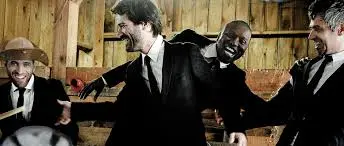
Forró in the Dark is much more than just a band of Brazilians living abroad; it is a sonic laboratory that proved it is possible to translate the DNA of the sertão to the pavement of Manhattan. It all began in 2002 at Nublu, an East Village club known as a haven for the New York downtown scene. What was supposed to be a one-off birthday jam session, led by percussionist Mauro Refosco, evolved into a cultural phenomenon that caught the attention of jazz purists and experimental rock icons alike.
The group’s genius lies in deconstruction. While the rhythmic foundation maintains the pulse of the zabumba and triangle, the melody and harmony flirt openly with Jazz Fusion, Surf Rock, and Psychedelia. By replacing the traditional role of the accordion with effects-laden guitars and free improvisation, Forró in the Dark created a soundscape that evokes both the open-air markets of Caruaru and experimental jazz clubs. This boldness attracted the legendary David Byrne, who not only collaborated with the band but became one of their greatest enthusiasts, highlighting their ability to be simultaneously rustic and futuristic.
The pinnacle of this cross-cultural bridge occurred when they interpreted the work of John Zorn, one of the most influential figures in contemporary jazz. By filtering his complex compositions through the lens of xote and baião, critics and audiences realized that Forró in the Dark wasn’t just playing Brazilian music—they were expanding the boundaries of what jazz and world music can be in the 21st century.