Latest posts
-
Nelson Faria: The Syncopation Translator and a Global Voice for the Guita
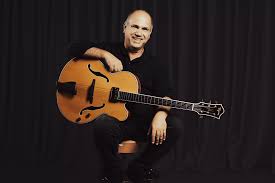
If the Brazilian guitar is studied today with precision in jazz conservatories from Sweden to the United States, it is largely due to the systematic work of Nelson Faria. He has transcended the role of instrumentalist to become one of the most respected ambassadors of this musical language. His international relevance is measured not just…
-
Count Basie: The Royalty of Kansas City and the Beating Heart of Big Bands
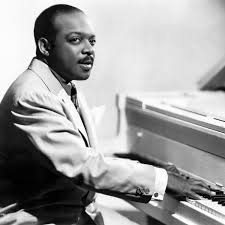
William James ‘Count’ Basie didn’t just lead one of the most iconic Big Bands in history; he redefined the soul of the piano and the dynamics of leadership in jazz. While other pianists of the Swing era sought to fill every measure with notes, Basie became the master of space and time. His piano style…
-
The Minimalist Genius of João Donato

João Donato didn’t just play the piano; he drew spaces between the notes. While many musicians sought technical virtuosity and speed, Donato found his signature in economy. Born in Acre and based in Rio de Janeiro, he was a pivotal figure in the pre-Bossa Nova era, but his curiosity led him far beyond Brazilian borders.…
-
How Frank Sinatra Redefined the Voice in the 20th Century
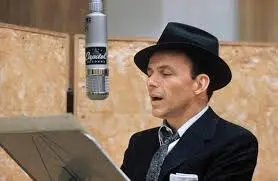
If Duke Ellington treated the orchestra as his instrument, Frank Sinatra did the same with his own voice and, crucially, the microphone. Sinatra was not merely a singer with natural gifts; he was the first great master of recording technology, understanding that the microphone allowed for a whispered intimacy that grand concert halls had previously…
-
The Ellington Effect: How Jazz Left the Dance Halls to Conquer Eternity
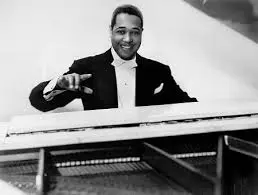
Edward Kennedy ‘Duke’ Ellington was not merely a pianist or a bandleader; he was the man who provided jazz with a grammar of sophistication and a symphonic structure. While his contemporaries focused on dance-floor entertainment, Duke understood that the orchestra itself was an instrument of infinite possibilities. His approach, often called the ‘Ellington Effect,’ was…
-
Billie Holiday: The Voice That Sculpted Emotion in Jazz
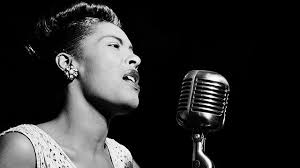
If instrumental jazz found its rhythmic foundation in musicians like Louis Armstrong, vocal jazz owes its emotional depth to Billie Holiday. Known as Lady Day—a nickname given by her dear friend and musical partner Lester Young—Billie transformed limitation into genius. Possessing a narrower vocal range than contemporaries like Ella Fitzgerald, she compensated with unique phrasing,…
-
Paul Desmond: The Architect of Ethereal Sound and the “Dry Martini” Aesthetic
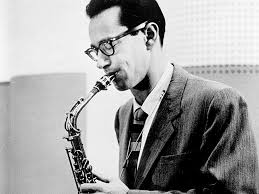
If jazz is often associated with bursts of energy and physical virtuosity, Paul Desmond was the necessary antithesis. The alto saxophonist of the Dave Brubeck Quartet didn’t seek impact through volume, but through melodic precision. His famous quip—that he wanted to sound like a ‘dry martini’—perfectly defines his delivery: refined, slightly bitter, yet absolutely clear.…
-
Dave Brubeck: The Alchemist of Odd Time Signatures
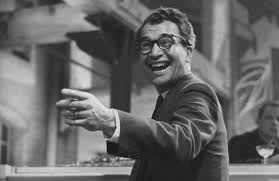
Dave Brubeck was more than a jazz pianist; he was a visionary who challenged the genre’s conventional metrics. While most jazz swung in the traditional 4/4, Brubeck—influenced by his studies with classical composer Darius Milhaud and rhythms he heard while traveling through Turkey and Eurasia—introduced ‘exotic’ time signatures like 5/4, 9/8, and 11/4. The result…
-
Rosa Passos: The Architect of Delicacy
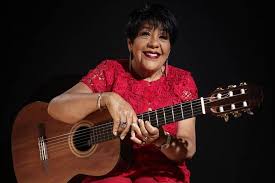
If Jazz has in Ella Fitzgerald its technical and emotional embodiment, Bossa Nova finds in Rosa Passos its most refined and timeless expression. A native of Salvador, Bahia, Rosa doesn’t just sing; she draws melodies with a vocal control that is a subject of study in conservatories worldwide. Her relationship with the guitar is symbiotic,…