Latest posts
-
Gerry Mulligan and What Is There to Say?: The Art of the Pianoless Jazz Quartet

The Quartet Built Around What Was Missing By the time Gerry Mulligan recorded the music that became What Is There to Say? in late 1958 and early 1959, the absence of a piano in his quartet was no longer a novelty. It had become one of the clearest expressions of his musical thinking. The instrumentation—baritone…
-
McCoy Tyner — The Real McCoy How McCoy Tyner Found His Own Voice After John Coltrane
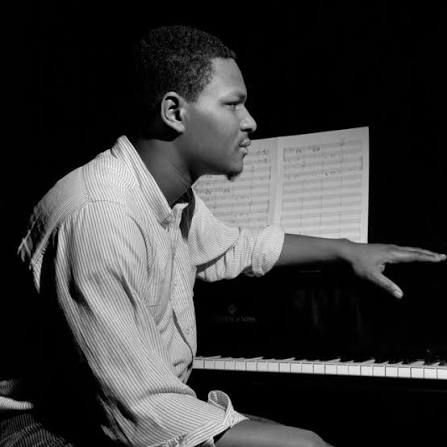
A New Beginning in 1967 On April 21, 1967, McCoy Tyner entered Rudy Van Gelder’s studio in Englewood Cliffs, New Jersey, with three musicians: tenor saxophonist Joe Henderson, bassist Ron Carter, and drummer Elvin Jones. They recorded five Tyner compositions—“Passion Dance,” “Contemplation,” “Four by Five,” “Search for Peace,” and “Blues on the Corner”—that became The…
-
Grant Green and the Guitar That Never Needed to Shout

A Guitar With Nothing to Hide There are guitarists whose sound arrives surrounded by architecture. Chords bloom across the instrument, technique announces itself immediately, and harmony creates layers between the player and the listener. Grant Green approached the guitar from another direction. His sound seemed almost naked. A note appeared, clear and rounded, followed by…
-
West Coast Jazz: The 1955 Album That Put Stan Getz Between Two Coasts

An Album Title That Complicates Everything There is something wonderfully misleading about an album called West Coast Jazz with Stan Getz’s name on the cover. Few tenor saxophonists of the 1950s seemed better equipped to embody the qualities critics were beginning to associate with California jazz: a light tone, lyrical phrasing, melodic elegance, emotional restraint,…
-
Paul Chambers and the Bass Lines That Held Modern Jazz Together

The Man You Hear Before You Notice Him There is a peculiar injustice built into the role of the jazz bassist. When the instrument is doing its job exceptionally well, listeners may feel its influence before consciously noticing who is responsible. The horn commands the melody. The pianist supplies recognizable harmony. The drummer creates obvious…
-
Jaco Pastorius: The 1976 Debut That Reinvented the Electric Bass

When Jaco Pastorius released his self-titled debut album in 1976, the electric bass had already transformed popular music. Motown had James Jamerson. Rock had produced Jack Bruce and John Entwistle. Funk had Larry Graham. Jazz had increasingly accepted the electric instrument as amplification, fusion and new rhythmic languages changed the architecture of ensembles. Jaco Pastorius…
-
Dave Brubeck and the Jazz That Refused to Count Normally

The Pianist Who Made the Difficult Sound Natural There is a peculiar contradiction at the center of Dave Brubeck’s reputation. Few jazz musicians of the 1950s became more recognizable to the general public, yet few achieved that popularity while pursuing ideas that could be structurally unusual, rhythmically demanding, and occasionally stubbornly resistant to the conventions…
-
Paul Desmond and the Alto Saxophone That Never Needed to Raise Its Voice

The Sound That Seemed to Float Paul Desmond once described the sound he wanted from his alto saxophone with an image that became almost as famous as the music itself: a dry martini. The phrase was characteristically Desmond—elegant, funny, precise, and just detached enough to conceal how seriously he thought about sound. It also provides…
-
Antonio Sánchez and Birdman: How a Solo Drum Score Changed the Sound of Cinema

There is something almost absurd about the premise of the music for Birdman or (The Unexpected Virtue of Ignorance). A major feature film starring Michael Keaton, Edward Norton, Emma Stone, Naomi Watts and Zach Galifianakis would move through Broadway dressing rooms, corridors, streets and stages with much of its dramatic momentum supplied not by an…