Latest posts
-
Mulatu Astatke: The Legendary Musician and Father of Ethio-Jazz
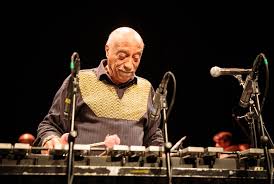
The London Discipline and the Berklee Horizon To map the most hypnotic, hauntingly beautiful coordinates of African modernism on The Jazz Compass, one must journey to the golden era of Addis Ababa and stand before the vibrafone of Mulatu Astatke. Born in Jimma, Ethiopia, Mulatu was initially sent to the UK to study engineering, but…
-
Bugge Wesseltoft: The Legendary Pianist and Pioneer of Future Jazz Electronics
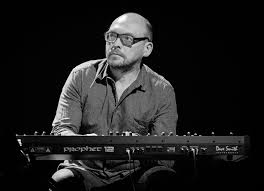
The Oslo Underground and the New Conception of Jazz To plot the ultimate coordinate of icy sophistication and futuristic innovation on The Jazz Compass, one must look directly toward the snow-covered streets of Oslo. This is the creative laboratory of Bugge Wesseltoft. In the mid-1990s, while the global jazz community was largely looking backward, Wesseltoft…
-
İlhan Erşahin: The Legendary Saxophonist and Founder of the Global Nublu Sound
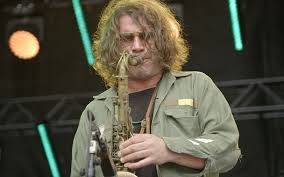
The Manhattan Melting Pot and the Birth of the Nublu Empire To discover the absolute epicenter of 21st-century underground jazz and global groove on The Jazz Compass, one must dive straight into the neon-lit nightlife of New York’s Lower East Side. This is the creative kingdom of İlhan Erşahin. Raised between Sweden and Turkey, Erşahin…
-
Masayoshi Takanaka: The Legendary Guitarist of Japanese Jazz-Fusion and City Pop
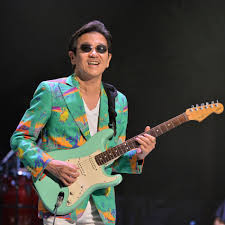
The Tokyo Prodigy and the Seychelles Tropical Revolution To plot the ultimate coordinate of sonic euphoria and instrumental sunshine on The Jazz Compass, one must steer directly toward the neon-lit coastline of 1970s Tokyo. This is the vibrant universe of Masayoshi Takanaka. After making waves with the avant-garde Sadistic Mika Band, Takanaka unleashed a solo…
-
Emma Pask: The Extraordinary Journey of Australia’s Modern Jazz Voice
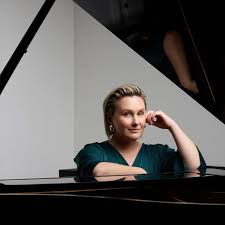
The Sydney Phenomenon and the James Morrison Mentorship To find the most radiant, swinging coordinates of modern vocal excellence on The Jazz Compass, one must look toward the roaring jazz scene of Australia. It was here, as a mere 16-year-old student, that Emma Pask was discovered by the legendary trumpet virtuoso James Morrison. Recognizing an…
-
The Atlantic Big Band Vanguard: Orquestra de Jazz de Matosinhos and the European Modern Sound
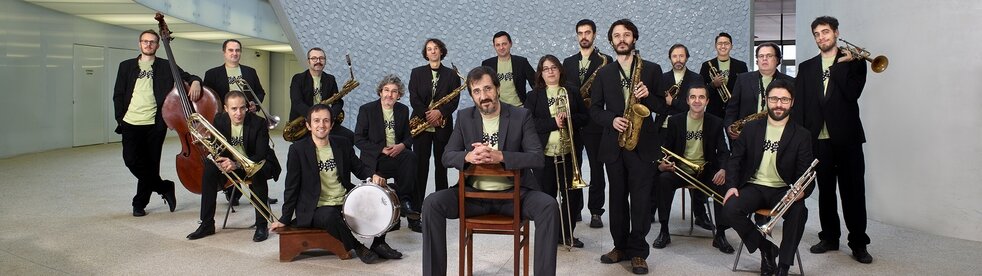
The Coastal Crucible and the Architecture of Modern Big Bands To chart the absolute gravity center of large-ensemble jazz in Southern Europe on The Jazz Compass, all roads lead inevitably to the Portuguese coast. Founded in 1999 under the visionary co-direction of pianists and composers Pedro Guedes and Carlos Azevedo, the Orquestra de Jazz de…
-
Soundscapes of the Soul: Egberto Gismonti and the Berlin-Rio Connection
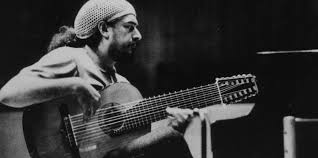
The Parisian Discipline and the Xingu Awakening To reach the absolute apex of musical mysticism and structural genius on The Jazz Compass, one must look directly at Egberto Gismonti. Born in Carmo, Rio de Janeiro, into a family of Lebanese and Italian roots, Gismonti was a classical piano prodigy who later moved to Paris to…
-
The Mediterranean Keyboard King: Tete Montoliu and the Dawn of Spanish Bebop
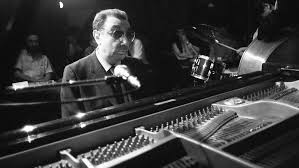
The Barcelona Prodigy and the Lionel Hampton Blessing To discover the foundational roots of European modern jazz on The Jazz Compass, one must travel to the vibrant, post-war night of Barcelona and sit before the piano of Tete Montoliu. Blind from birth, Montoliu possessed a supernatural harmonic ear and an immaculate classical training that was…
-
The Rio de la Plata Groove-Master: Javier Malosetti and the Electric Pulse of Buenos Aires
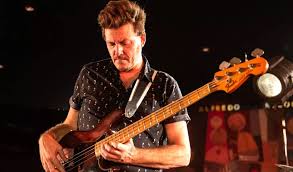
The Malosetti Lineage and the Spinetta Crucible To discover the absolute epicenter of low-end virtuosity in South America on The Jazz Compass, one must dive straight into the bohemian night of Buenos Aires. This is the realm of Javier Malosetti. The son of Walter Malosetti—the undisputed patriarch of Argentine jazz guitar—Javier initially started as a…