Latest posts
-
The Master of Horizons: Herbie Hancock’s Seven Decades of Sonic Revolution
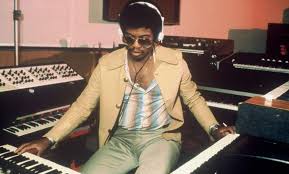
The Blue Note Prodigy and the Miles Davis Laboratory To plot the absolute gravity center of modern music on The Jazz Compass, one must look directly at the immortal genius of Herbie Hancock. A child prodigy from Chicago who performed a Mozart concerto with the Chicago Symphony Orchestra at age eleven, Herbie seamlessly bridged the…
-
The Healing Impressionist: Thandi Ntuli and the Spiritual Vanguard of South African Jazz
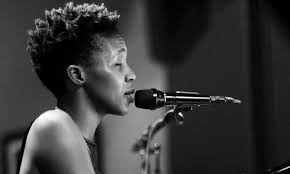
The Pretoria Heritage and the New Horizon of Jo’burg To find the most vital, deeply reflective coordinates on The Jazz Compass today, one must return to South Africa and witness the magnificent rise of Thandi Ntuli. Born in Pretoria into a historic musical lineage—her uncle was the legendary Selby Ntuli of the Afro-rock band Harari—Thandi…
-
The Cinematic Pulse: Antonio Sánchez and the Polyrhythmic Soul of Birdman
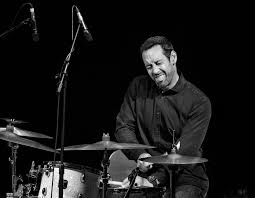
The Mexico City Prodigy and the Pat Metheny Metamorphosis To accurately chart the absolute apex of contemporary rhythm on The Jazz Compass, one must follow the explosive trajectory of Antonio Sánchez. Born in Mexico City, Sánchez began drumming at age five, later moving to Boston to master both classical piano and jazz performance at Berklee…
-
The Soho Impresario: Ronnie Scott and the Sacred Sanctuary of British Bebop
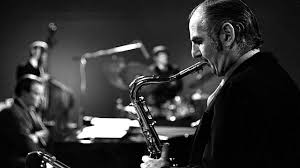
The Post-War Vanguard and the Transatlantic Connection To map the definitive epicenters of European musical history on The Jazz Compass, all roads lead straight to the neon-lit, rain-slicked streets of Soho, London. This was the territory of Ronnie Scott, a brilliant, sharp-witted tenor saxophonist who came of age in the post-WWII era. Intoxicated by the…
-
The Desert Mystic: Majid Bekkas and the Sacred Alchemic Blues of North Africa
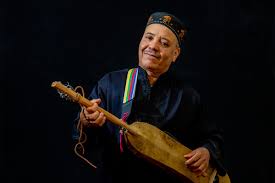
The Guembri Master and the Healing Trance of Salé To truly unlock the deep, spiritual roots on The Jazz Compass, one must travel to the Atlantic coast of Morocco and sit at the feet of Majid Bekkas. Born in Salé, Bekkas is a revered master of Gnawa music—an ancient, mystical Moroccan repertoire rooted in the…
-
The Steppes of Improvisation: The Magic Of Nomads and the Shamanic Groove of Central Asia
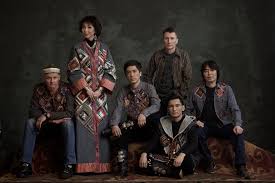
The Alchemists of the Silk Road and the Sacred Kobyz To uncover the most exotic and deeply spiritual coordinates on The Jazz Compass, one must journey across the ancient Silk Road into the vast, wind-swept plains of Kazakhstan. This is the birthplace of The Magic Of Nomads, a visionary collective created by the brilliant kobyz…
-
The Vocal Alchemist: Youn Sun Nah and the Avant-Garde Metamorphosis of Eastern Jazz
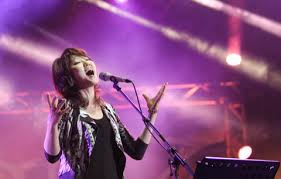
The Seoul Soul and the Parisian Rebirth To truly map the most daring and hypnotic vocal coordinates on The Jazz Compass, one must follow the transpacific trail that connects the cultural heart of Seul to the smoky avant-garde clubs of Paris. Born into a highly musical family in South Korea, Youn Sun Nah initially pursued…
-
The Southern Cross Virtuoso: Don Burrows and the Dawn of Australian Jazz
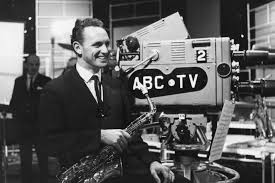
The Sydney Pioneer and the Transpacific Breakthrough To accurately chart the global expanses on The Jazz Compass, one must steer the ship straight into the Southern Hemisphere and uncover the monumental footprint of Don Burrows. Emerging from Sydney in the late 1940s, Burrows was a rare, dazzling multi-instrumentalist who achieved flawless, world-class expression across the…
-
Chamber of Curiosities: Michael Wollny and the Gothic Imagination of Modern Piano
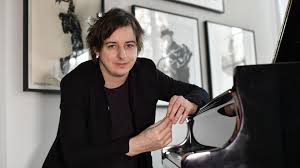
The German Prodigy and the Shattering of Academic Borders To comprehend the mesmerizing, multi-layered architecture of Michael Wollny, one must abandon all standard preconceptions of the traditional jazz piano trio. Born in Schweinfurt, Germany, Wollny was nurtured in both the rigorous discipline of classical piano and the untamed freedom of improvisation. When he exploded onto…