Latest posts
-
Sadao Watanabe: The Legendary Saxophonist and Pioneer of Japanese Bossa Nova and Fusion
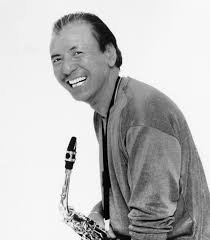
The Tokyo Bebop Horizon and the Berklee Awakening To map the most influential, sun-drenched coordinate of modern jazz in Asia on The Jazz Compass, one must steer directly toward the legendary career of Sadao Watanabe. Emerging in the fertile Tokyo post-war scene, Watanabe quickly established himself as a fierce alto saxophonist with a flawless, quick-fire…
-
The Circling Sun: The Rising Stars of Spiritual Jazz and Global Grooves
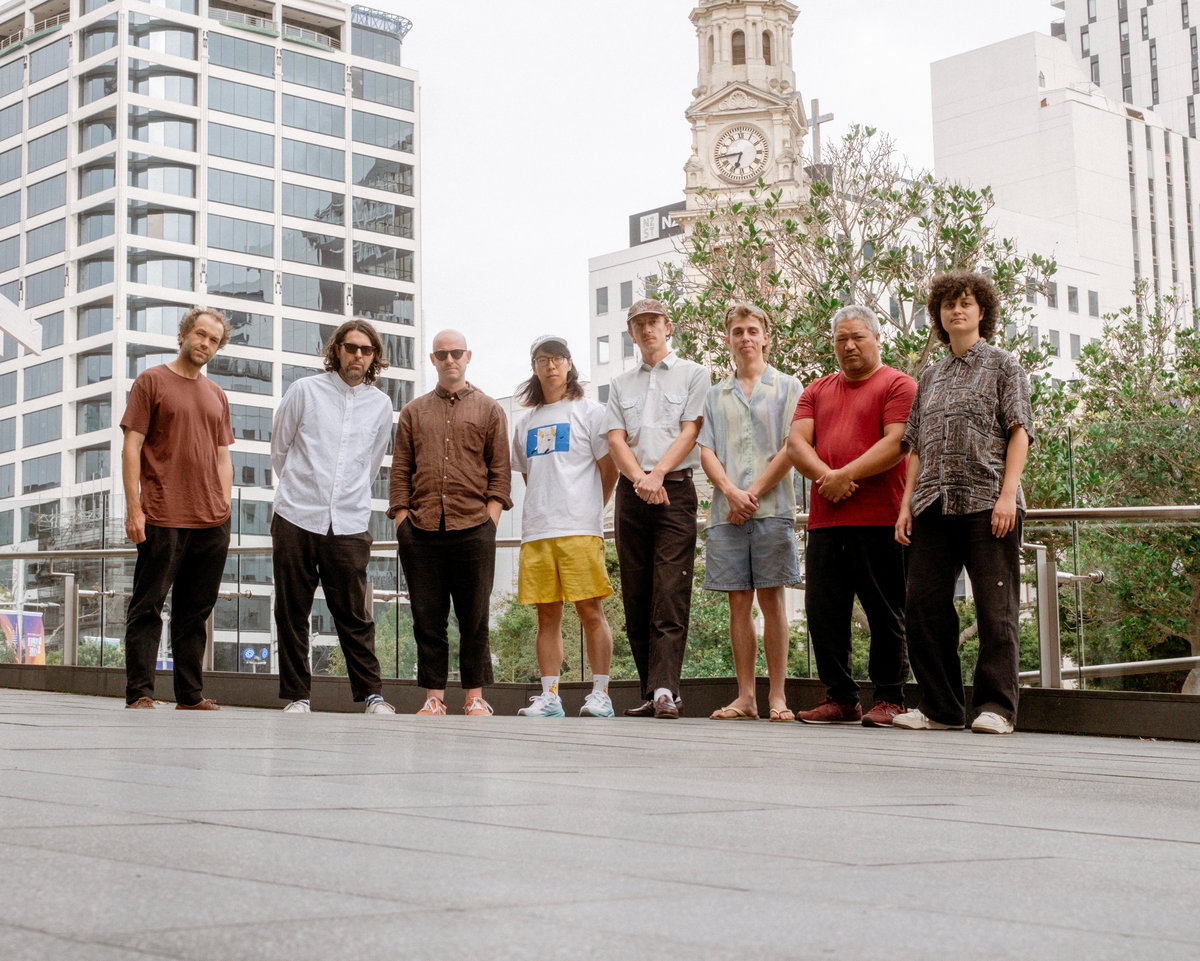
The Auckland Collective and the Soundway Global Explosion To find the most radiant, deeply spiritual coordinates of modern instrumental music on The Jazz Compass, one must steer the ship directly toward the vibrant underground of Auckland, New Zealand. This is the birthplace of The Circling Sun. Emerging as a powerhouse collective of the country’s finest…
-
Vincent Peirani and Émile Parisien Duo: The Virtuoso Masters of Modern French Jazz
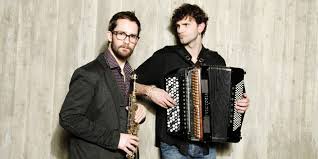
The Accordion Metamorphosis and the Soprano Soprano Alliance To plot the most thrilling, avant-garde coordinates of modern European improvisation on The Jazz Compass, one must steer directly into the heart of the contemporary French jazz renaissance. This is the playground of Vincent Peirani and Émile Parisien. Together, this extraordinary duo shattered every dusty cliché associated…
-
Chet Baker: The Story Behind My Funny Valentine and the Sound of a Cool Jazz Generation
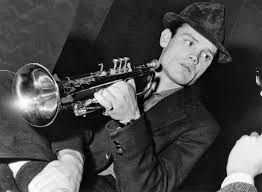
The West Coast Revolution and the James Dean of Jazz To map the most heartbreakingly beautiful and intimate coordinates of American modernism on The Jazz Compass, one must steer directly toward the sun-drenched, smoky venues of 1950s Los Angeles. This was the launching pad of Chet Baker. Rising to international stardom alongside saxophonist Gerry Mulligan…
-
Tomasz Stańko: The Legendary Trumpeter and Icon of Polish Avant-Garde Jazz
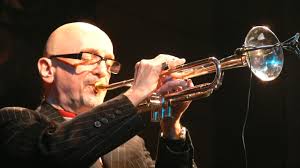
The Slavic Renaissance and the Komeda Baptism To discover the absolute epicenter of lyrical melancholy and existential depth on The Jazz Compass, one must steer directly toward the historic avant-garde scene of Poland. This is the domain of Tomasz Stańko. Emerging in the vibrant, rebellious cultural climate of the 1960s, Stańko became the primary sonic…
-
Oscar Peterson: The Legendary Pianist and Maharaja of Modern Jazz Swing
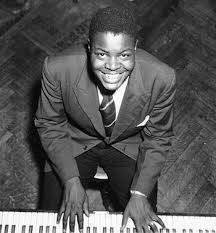
The Montreal Prodigy and the Carnegie Hall Seismic Shock To locate the absolute, untouchable peak of piano virtuosity and unyielding swing on The Jazz Compass, one must steer directly toward the classical-meets-blues architecture of Montreal’s St. Henri neighborhood. This was the launching pad of Oscar Peterson. Blessed with a supernatural classical training, Peterson absorbed the…
-
Sheila Majid: The Legendary Queen of Jazz and Pioneer of Malaysian Jazz-Pop
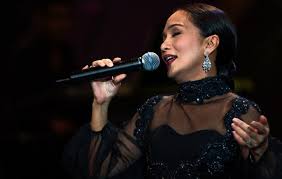
The Kuala Lumpur Sensation and the Emosi Revolution To plot the ultimate coordinate of vocal elegance and infectious, sun-drenched rhythm in Southeast Asia on The Jazz Compass, one must turn directly toward the vibrant history of Kuala Lumpur. This is the domain of Sheila Majid. Emerging in the mid-1980s, Sheila single-handedly engineered a musical renaissance…
-
Stan Tracey: The Godfather of British Jazz and the Genius Behind Under Milk Wood
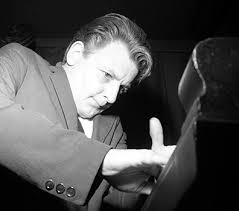
The Soho Crucible and the Ronnie Scott’s Baptism of Fire To track the absolute dawn of modern jazz independence in the United Kingdom on The Jazz Compass, one must dive straight into the smoky, late-night history of London’s Soho. This was the stomping ground of Stan Tracey. In the early 1960s, Tracey landed the most…
-
Frank Sinatra and Antonio Carlos Jobim: The Historic 1967 Album That Reshaped Global Jazz
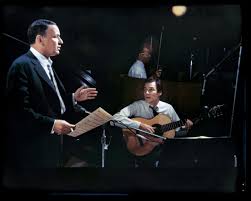
The Hollywood Call and the Velho Veloso Pool Table To plot the ultimate, untouchable gravity center where American vocal royalty crashes into South American modernism on The Jazz Compass, one must look directly at the winter of 1967. Frank Sinatra—”The Voice,” the undisputed king of American showbiz—had become completely enchanted by the breezy, sophisticated geometry…