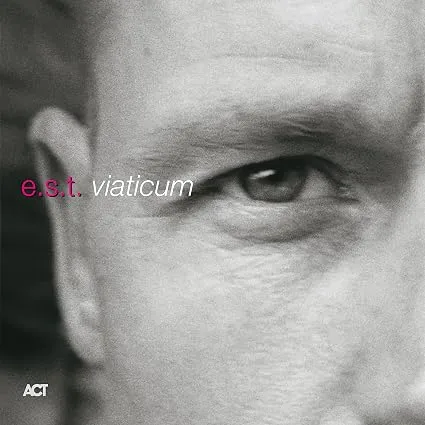
Discover how Viaticum by Esbjörn Svensson Trio transformed modern jazz with cinematic compositions, fearless improvisation, and one of the most influential piano trio recordings of the 21st century.
Album: Viaticum
Artist: Esbjörn Svensson Trio (e.s.t.)
Released: February 2005
Label: ACT Music
Genre: Contemporary Jazz · European Jazz
Producer: Siggi Loch
Reading Time: Approximately 18 minutes
Historical Importance: ★★★★★
Musical Innovation: ★★★★★
Audiophile Rating: ★★★★★
Recommended For
- Fans of modern piano trio jazz
- ECM and ACT Music listeners
- Progressive music enthusiasts
- Audiophiles
- Listeners exploring Scandinavian jazz
The Album That Changed the Way Europe Sounded
Some albums announce themselves with thunder. Others arrive almost unnoticed, quietly reshaping the musical landscape until, years later, it becomes impossible to imagine the genre without them.
Viaticum belongs to the second category.
When the Esbjörn Svensson Trio released its eighth studio album in early 2005, the jazz world was already aware that something unusual was happening in Scandinavia. Critics had praised the group’s previous recordings, audiences across Europe had embraced their concerts, and musicians were beginning to notice that this Swedish trio seemed unconcerned with the invisible borders separating jazz from rock, classical music and ambient sound.
Yet few expected Viaticum to become one of the defining jazz albums of the twenty-first century.
It was neither aggressively experimental nor intentionally commercial. There were no attempts to shock listeners with technical displays, nor any desire to recreate the past. Instead, Esbjörn Svensson, bassist Dan Berglund and drummer Magnus Öström created something increasingly rare in contemporary music: an album that felt timeless from the moment it appeared.
More than twenty years later, Viaticum continues to occupy a unique place in modern jazz. It introduced thousands of listeners to European improvisation, inspired an entire generation of piano trios and demonstrated that jazz could evolve without abandoning its identity.
Its influence can still be heard in countless contemporary ensembles, many of which openly acknowledge e.s.t. as a turning point in their artistic development.
But understanding why Viaticum became so important requires looking beyond the album itself. Its story begins decades earlier, in a Europe that was quietly redefining the future of jazz.
Buy Amazon
JazzLatitude Insight
Unlike many influential jazz albums that gained recognition only years after their release, Viaticum was widely acclaimed almost immediately. Critics across Europe praised its originality, while audiences embraced a sound that felt both sophisticated and emotionally direct.
A New Center of Gravity for Jazz
For much of the twentieth century, jazz was viewed primarily as an American art form. New Orleans, Chicago, Kansas City and New York formed the historical map of its evolution, while European musicians were often seen as interpreters rather than innovators.
By the 1990s, however, that perception had begun to change.
European artists were no longer trying to reproduce the language of bebop or hard bop. Instead, they were developing musical identities shaped by their own cultures, landscapes and traditions.
Scandinavia became one of the most fertile creative environments in this transformation.
Swedish, Norwegian and Danish musicians embraced silence as confidently as virtuosity. Melodies became longer and more lyrical. Rhythm sections abandoned rigid accompaniment in favor of conversational interplay. Classical harmony, Nordic folk music and minimalist composition found their way into modern improvisation.
This aesthetic contrasted sharply with much of the American jazz scene, where technical brilliance often occupied the foreground.
Rather than competing with American jazz, Scandinavian musicians were expanding the vocabulary of the genre.
The result was a distinctly European sound—spacious, atmospheric and emotionally introspective.
The Rise of Esbjörn Svensson Trio
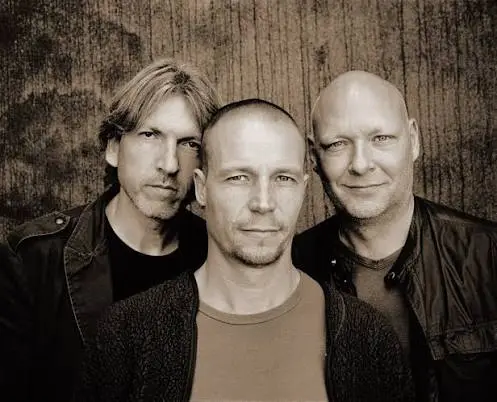
When Esbjörn Svensson formed the trio that would eventually become e.s.t., few imagined that it would challenge decades of assumptions about the piano trio format.
Born in Västerås, Sweden, Svensson had studied classical piano before becoming immersed in jazz. His influences extended far beyond Bill Evans and Keith Jarrett. He admired composers such as Chopin and Debussy while also listening to progressive rock, electronic music and contemporary classical works.
That openness became one of the defining characteristics of his artistic personality.
Dan Berglund shared a similar curiosity. His approach to the double bass emphasized texture as much as harmony, often treating the instrument as an equal melodic voice rather than a purely rhythmic foundation.
Magnus Öström completed the trio with an equally unconventional philosophy. Instead of functioning simply as a timekeeper, his drumming constantly shaped the emotional direction of the music through color, dynamics and subtle interaction.
Together, the three musicians rejected the traditional hierarchy of piano trio performance.
There was no permanent leader.
No accompanying instruments.
No soloist supported by a rhythm section.
Every performance resembled a conversation in which each participant possessed equal authority.
This democratic musical philosophy would become one of e.s.t.’s greatest innovations.
JazzLatitude Insight
Many listeners compare e.s.t. to the Bill Evans Trio because of the group’s conversational interplay. While the comparison is understandable, e.s.t.’s broader influences—including rock, electronic textures and Scandinavian folk traditions—give the trio a distinctive musical identity.
Before Viaticum
By the time work began on Viaticum, e.s.t. had already released a series of increasingly ambitious albums.
Each recording expanded the group’s musical vocabulary.
Early albums revealed strong roots in lyrical jazz piano traditions.
Later releases introduced electronic processing, unusual rhythmic structures and dramatic dynamic contrasts.
Albums such as From Gagarin’s Point of View and Strange Place for Snow had already established the trio as one of Europe’s most original jazz groups. International tours brought growing audiences, while critics praised their ability to attract listeners who rarely considered themselves jazz fans.
Rock audiences admired the energy.
Classical listeners appreciated the compositional elegance.
Jazz enthusiasts celebrated the extraordinary level of collective improvisation.
This unusual crossover appeal positioned e.s.t. in a category almost entirely their own.
Instead of asking audiences to understand jazz history before appreciating the music, the trio invited listeners through melody, atmosphere and emotional storytelling.
That accessibility would become one of the defining strengths of Viaticum.
A Different Philosophy of Improvisation
One of the greatest misconceptions about e.s.t. is that the trio blurred the boundaries between jazz and other genres simply to appear modern.
Nothing could be further from the truth.
Their music remained deeply rooted in jazz principles.
Improvisation remained central.
Interaction remained spontaneous.
Listening remained more important than technical display.
What changed was the palette.
A sustained piano chord might evoke Debussy.
A bass ostinato could recall progressive rock.
A drum texture might resemble ambient electronic music.
Yet none of these elements diluted the music’s jazz identity.
Instead, they expanded its expressive possibilities.
Esbjörn Svensson often described composition as a framework rather than a destination. His pieces were designed to evolve organically during performance, allowing each concert to reveal new emotional landscapes.
This philosophy explains why studio recordings such as Viaticum feel remarkably alive.
They never sound fixed.
They breathe.
The Birth of Viaticum
By late 2004, e.s.t. had reached an important crossroads.
The trio had earned critical respect throughout Europe and was steadily building an international audience. Expectations for the next album were therefore unusually high.
Rather than attempting to repeat the success of Strange Place for Snow, Svensson and his collaborators chose a different path.
The new compositions became more spacious.
More patient.
More cinematic.
Silence acquired greater expressive value.
Themes unfolded gradually instead of seeking immediate impact.
The album’s title reflected this artistic direction.
The word “Viaticum” originates from Latin and traditionally refers to provisions for a journey. Historically, it described the supplies carried by travelers and later acquired spiritual significance as the final communion given before death within the Christian tradition.
For e.s.t., the title suggested something broader.
Music itself became a companion for life’s journey.
Every composition represented a stage of movement rather than a final destination.
That idea would permeate the entire album, giving its pieces an unusual sense of continuity and emotional progression.