The Slavic Renaissance and the Komeda Baptism
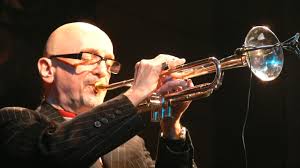
To discover the absolute epicenter of lyrical melancholy and existential depth on The Jazz Compass, one must steer directly toward the historic avant-garde scene of Poland. This is the domain of Tomasz Stańko. Emerging in the vibrant, rebellious cultural climate of the 1960s, Stańko became the primary sonic weapon for the legendary film composer and pianist Krzysztof Komeda. Contributing to Astigmatic (1966)—widely considered the holy grail of European jazz—Stańko helped birth the “Polish School of Jazz.” Instead of simply mimicking American hard-bop, he looked inward, injecting traditional Slavic lyricism, dark romanticism, and a fierce, free-jazz radicalism into his horn, permanently shifting the axis of modern European improvisation.
The ECM Masterpieces and the Art of the Haunting Silence
For the high-art connoisseur tracking landmark moments where soundscapes turn into pure poetry, Stańko’s late-career output on the prestigious German label ECM represents an untouchable zenith. Wielding a unique, instantly recognizable tone—muscular, grainy, and deeply melancholic—Stańko mastered the architecture of space and silence. His historic partnership with producer Manfred Eicher resulted in a string of 21st-century masterpieces, including Litania (1997), Soul of Things (2002), and Suspended Night (2004). Backed by a brilliant quartet of young Polish virtuosos (who later became the Marcin Wasilewski Trio), Stańko’s trumpet lines floated over dark, impressionistic harmonies, evoking the smoky, late-night atmosphere of a European film noir.
The Poetic Explorer Across the Eternal Latitude
True to the forward-thinking, borderless ethos of Jazz Latitude, Tomasz Stańko’s creative geography is a magnificent monument to the cross-pollination of music and literature. Deeply inspired by the writings of Franz Kafka and the profound verses of Nobel Prize-winning poet Wisława Szymborska (with whom he frequently performed), Stańko spent over five decades serving as a global cultural ambassador, floating effortlessly between the avant-garde clubs of New York’s Downtown scene and the historic concert halls of Warsaw. He left an immovable, obsidian-hard coordinate on our map—a beautiful, sweeping reminder that a single trumpet note, wrapped in the perfect silence of a northern winter night, can capture the entire, beautiful mystery of the human condition.