The Post-War Vanguard and the Transatlantic Connection
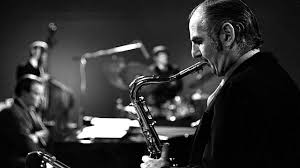
To map the definitive epicenters of European musical history on The Jazz Compass, all roads lead straight to the neon-lit, rain-slicked streets of Soho, London. This was the territory of Ronnie Scott, a brilliant, sharp-witted tenor saxophonist who came of age in the post-WWII era. Intoxicated by the revolutionary sounds of American bebop, Scott worked on transatlantic ocean liners just to visit New York City, absorbing the genius of Charlie Parker and Coleman Hawkins firsthand at 52nd Street. Upon returning, he injected that fierce, high-speed harmonic vocabulary into the UK scene. With his warm, muscular tone and driving swing, Ronnie became the premier vanguard of British modern jazz, proving to the world that the complex, smoky language of bebop could thrive far beyond its American birthplace.
The Legend of Frith Street: The Club That Changed the World
For the high-art connoisseur tracking the monumental landmarks of live music curation, Ronnie Scott’s greatest masterpiece was not a composition, but a physical space. In 1959, alongside fellow saxophonist Pete King, he opened Ronnie Scott’s Jazz Club. Moving to its permanent home on Frith Street in 1965, the basement club became the undisputed spiritual embassy of jazz in Europe. It was the legendary stage where Miles Davis’s quintet mesmerized London, where Sarah Vaughan cast her vocal spells, and where rock icon Jimi Hendrix played his final public jam session. Ronnie operated as the ultimate master of ceremonies, opening every night with his legendary, razor-sharp, self-deprecating British wit before stepping onto the stage to unleash a soaring sax solo that demanded absolute respect from the global jazz royalty.
The Immortal Ringmaster Across the Eternal Latitude
True to the forward-thinking, borderless spirit of Jazz Latitude, Ronnie Scott’s creative geography stands as an eternal monument to artistic community and international fellowship. Over a dazzling career spanning five decades, he received an OBE (Officer of the Order of the British Empire) for his unparalleled services to music, while continuously leading his own hard-swinging quintets and the acclaimed Ronnie Scott Big Band. Though he tragically passed away in 1996, the iconic club that bears his name remains a thriving, world-famous mecca of syncopation. Ronnie Scott left an immovable, brilliant coordinate on our map—a beautiful reminder that the ultimate purpose of virtuosity is to build a home where the music can play all night long, safe from the coldness of the outside world.