The Prodigy from Gyumri and the Sacred Folk DNA
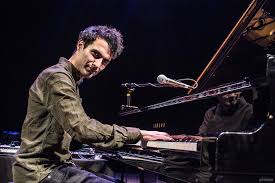
To fully understand the volcanic energy of Tigran Hamasyan, you have to look past the jazz clubs of New York and straight into the ancient, stone-carved churches of Armenia. Born in Gyumri, Tigran was a musical sponge from a toddler age, obsessed with classic rock riffs before formal jazz training captured his hands. But while his technical prowess at the piano earned him top prizes at major festivals while he was still a teenager—including the prestigious Thelonious Monk International Jazz Piano Competition in 2006—Tigran refused to become a carbon copy of American post-bop icons. Instead, he went back to his roots. He began digging into the non-western time signatures, the modal scales, and the heartbreakingly beautiful folk poetry of Armenia, using his jazz education as a vehicle to blast his cultural heritage into the modern stratosphere.
The Djent Jazz Laboratory: Chords, Breakdown Riffs, and the Meshuggah Influence
Tigran’s true artistic coup was the creation of a sonic language that sounds like a head-on collision between Keith Jarrett and the extreme metal band Meshuggah. For the high-art connoisseur exploring The Jazz Compass, solo albums and trio masterpieces like Mockroot (2015) and The Call Within (2020) are definitive electronic-acoustic monuments. Tigran treats the acoustic piano not just as a melodic device, but as a percussion instrument capable of absolute violence. He layers complex, shifting odd-meter rhythms—using mind-bending mathematical syncopations like 11/16 or 15/16—and drives them with the relentless, crushing intensity of progressive metal breakdown riffs. Backed by his jaw-dropping, rhythmic beatboxing that mirrors his piano lines in real-time, he creates a dizzying wall of sound that leaves audiences gasping for air.
The Spiritual Latitude of the Modern Shaman
True to the borderless, forward-thinking spirit of Jazz Latitude, Tigran Hamasyan’s music functions as a spiritual bridge across time. In his landmark 2015 project Luys i Luso, he took a radical detour, rearranging Armenian sacred choral music from the 5th to the 20th centuries for piano and a chamber choir, performing it in ancient monasteries across Europe. This ability to embody both the quiet, meditative stillness of an ancient mystic and the roaring, untamed fire of a modern rock star makes Tigran a unique phenomenon. He reminds us that the absolute best contemporary jazz does not copy the past or settle into smooth commercial lanes. It digs deep into the soil of human history, cracks open the rhythmic codes of the universe, and plays with its soul completely on fire.