The Philadelphia Lightning and the Coltrane Encounter
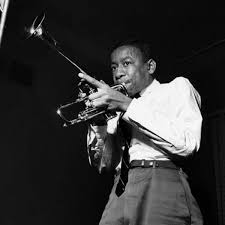
To step into the world of Lee Morgan is to encounter a musical force fueled by pure, unadulterated swagger. Born in Philadelphia, Morgan was a trumpet virtuoso almost from the moment he first picked up the horn, possessing an impossibly fat tone, a vocabulary drenched in the blues, and a lightning-fast half-valve technique that gave his playing a uniquely vocal, cocky quality. By the time he was a teenager, he was already tearing up the stage with Dizzy Gillespie’s big band. His defining introduction to the high-art pantheon came in 1957 when John Coltrane recruited the 19-year-old prodigy for his masterpiece Blue Train. Morgan’s solo on the title track remains a legendary textbook example of hard bop architecture: fierce, structured, and brimming with the fearless confidence of youth.
The Messengers’ Engine and the Sidewinder Shock
For the high-art connoisseur tracking the definitive eras on The Jazz Compass, Lee Morgan’s tenure in the late 1950s and 1960s represents the very golden age of the genre. He became the blazing horn and primary sonic architect of Art Blakey’s Jazz Messengers, driving historic albums like Moanin’ (1958) with a fierce, soulful urgency. But it was as a leader that Morgan permanently altered the commercial landscape of jazz. In 1963, he recorded The Sidewinder. The title track—built on a infectious, grease-stained, 24-bar blues-funk groove—became an overnight crossover pop chart sensation. It was a visual and auditory shockwave that single-handedly pulled Blue Note Records from the brink of financial ruin, establishing a new blueprint for the soul-jazz movement that kept jazz deeply relevant in the age of Motown.
The Snowy Tragedy and the Eternal Coordinate
True to the forward-thinking, deeply emotional spirit of Jazz Latitude, Lee Morgan’s creative geography was a rollercoaster of redemption and absolute tragedy. After battling severe drug addiction that temporarily derailed his career, he staged a triumphant comeback in the late ’60s, expanding his harmonic language into more avant-garde and politically conscious territory. Then came the devastating freeze. On a bitter, snowy night in February 1972, during a gig at the Slugs’ Saloon in Manhattan’s East Village, following a heated argument, Morgan was shot and killed by his common-law wife, Helen More. He was just 33 years old. Lee Morgan left a permanent, bleeding star on our map—a monument built on sheer brilliance, reminding us that while the flame of genius can be tragically snuffed out, the swing he left behind remains completely indestructible.