
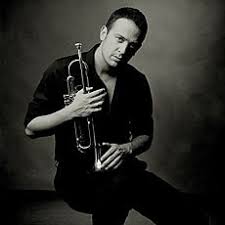
The Prodigy of the Classical Academy
To understand the flawless, crystalline tone of Till Brönner, one must first look at his immaculate training. Born into a family of musicians in Viersen, Germany, Brönner was raised on a strict diet of classical music before the virus of jazz caught him in his teens. He studied classical trumpet at the Cologne Conservatory, a training that gave him a terrifyingly precise technique and a pristine lip control. But instead of joining a symphony orchestra, Brönner took his horn straight into the night. Influenced by the melancholic lyricism of Chet Baker and the sharp intellect of Freddie Hubbard, he released his debut album Generations of Jazz in 1993. It didn’t just win awards; it announced the arrival of a European trumpet prodigy who could swing with the weight of tradition while looking directly into the future.
The Smooth Alchemist: Bridging the High-Art and the Pop Charts
During the late 1990s and 2000s, Brönner pulled off one of the rarest feats in modern jazz: he became a genuine crossover superstar without ever sacrificing his musical integrity. For the sophisticated listener exploring The Jazz Compass, albums like Blue Eyed Soul (2002) and Oceana (2006)—which featured collaborations with stars like Carla Bruni and Madeleine Peyroux—are masterclasses in atmospheric production. Brönner took the sharp corners off post-bop and wrapped them in a smooth, cinematic, and deeply sensual blanket of sound. His trumpet doesn’t blast; it whispers. It’s a late-night, smoky tone that carries an incredible emotional weight, making him the ultimate choice for late-night drives through Berlin or New York. He proved that high-art jazz could be immensely popular, glamorous, and accessible, earning multiple Echo Awards and even a Grammy nomination along the way.
The Atlantic Coordinates: Bossa Nova and the Photographic Eye
True to the borderless spirit of Jazz Latitude, Till Brönner’s musical map is deeply tied to the sun-drenched beaches of Rio de Janeiro. His 2008 masterpiece Rio is a sweeping, deeply respectful love letter to the bossa nova, where his aveludado trumpet and whispered vocals shared the studio with legends like Milton Nascimento, Ivan Lins, and Luciana Souza. Brönner captured the exact essence of saudade, filtering it through his European cosmopolitan sensibilities. This dual nature—the musician who is also an acclaimed portrait photographer capable of capturing the raw essence of human faces—makes his jazz incredibly visual. When Till Brönner plays, he is printing a high-contrast, black-and-white photograph in your mind, where every note is a calculated stroke of elegance and pure, unadulterated style.