The Soho Crucible and the Ronnie Scott’s Baptism of Fire
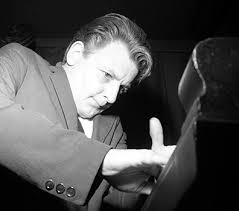
To track the absolute dawn of modern jazz independence in the United Kingdom on The Jazz Compass, one must dive straight into the smoky, late-night history of London’s Soho. This was the stomping ground of Stan Tracey. In the early 1960s, Tracey landed the most demanding gig in the country: house pianist at the legendary Ronnie Scott’s Jazz Club. For nearly a decade, he became the brilliant, unflappable anchor for visiting American titans who demanded nothing less than perfection. Legends like Sonny Rollins, Ben Webster, and Roland Kirk arrived in London expecting a mere accompanist, only to be utterly stunned by Tracey’s fierce, uncompromising harmonic intellect. He didn’t just back them up; he challenged them, forcing the American old-guard to realize that Great Britain had birthed a heavyweight champion of its own.
The Ellingtonian Angularity and the Under Milk Wood Masterpiece
For the high-art connoisseur searching for the definitive roots of European post-bop, Stan Tracey’s discography is a golden, deeply percussive treasury. Heavily inspired by the structural grandeur of Duke Ellington and the eccentric, angular timing of Thelonious Monk, Stan forged a style that was distinctively raw, witty, and British. This idiosyncratic genius culminated in his 1965 masterpiece, Jazz Suite Inspired by Dylan Thomas’s “Under Milk Wood”. Alongside saxophonist Bobby Wellins, Tracey crafted a cinematic, episodic album that turned Welsh poetry into a swinging, deeply emotional post-bop architecture. Tracks like “Starless and Bible Black” delivered a haunting, smoky lyricism that permanently shattered the myth that European jazz lacked the authentic blues and grit of its New York counterpart.
The Commander of the British Empire Across the Eternal Latitude
True to the forward-thinking, borderless spirit of Jazz Latitude, Stan Tracey’s lifelong musical geography is a towering monument to artistic resilience and stylistic pride. Over a dazzling career that spanned more than six decades—earning him a rare CBE (Commander of the Order of the British Empire) and the respect of multiple generations—he continuously reinvented large-ensemble writing, fronting explosive big bands and cutting-edge octets well into the 21st century. Stan Tracey left an immovable, granite-hard coordinate on our map—a beautiful, swinging reminder to the world that true jazz doesn’t require an American passport; it requires an uncompromising soul, a touch of poetic madness, and the courage to make the piano keys roar.