The Montreal Prodigy and the Carnegie Hall Seismic Shock
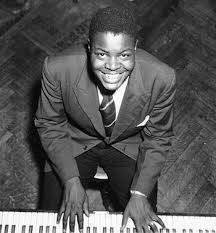
To locate the absolute, untouchable peak of piano virtuosity and unyielding swing on The Jazz Compass, one must steer directly toward the classical-meets-blues architecture of Montreal’s St. Henri neighborhood. This was the launching pad of Oscar Peterson. Blessed with a supernatural classical training, Peterson absorbed the lightning-fast stride of Art Tatum and the sophisticated drive of Nat King Cole, forging an individual style so powerful it caught the ears of legendary impresario Norman Granz. In 1949, Granz famously snuck Peterson into New York’s Carnegie Hall for an unannounced debut. The performance sent a seismic shockwave through the global jazz community: a young Canadian giant had arrived, wielding a physical, thunderous technique that made the piano sound like a roaring, high-speed locomotive.
The Definitive Trio Era and the Hymn to Freedom Masterpiece
For the high-art connoisseur tracking the golden standard of acoustic jazz interplay, Oscar Peterson’s output in the 1950s and 60s represents the holy grail of collective swing. His definitive trio—featuring the rock-solid, telepathic basslines of Ray Brown and the immaculate, brushed drums of Ed Thigpen—became the most sought-after rhythm section on Earth. Together, they cut monumental records like Night Train (1962) and We Get Requests (1964). Peterson’s genius lay in his ability to execute blinding, flawless bebop runs at breakneck speeds while maintaining a deep, foot-stomping blues feel. This spectacular duality reached its emotional zenith with his composition “Hymn to Freedom” (1962), a soulful, gospel-drenched anthem that became a powerful sonic monument for the global Civil Rights Movement.
The Immortal Maharaja Across the Eternal Latitude
True to the forward-thinking, borderless spirit of Jazz Latitude, Oscar Peterson’s multi-decade career stands as an immovable monument to musical diplomacy and absolute artistic triumph. Winner of eight Grammy Awards and a revered companion to icons like Ella Fitzgerald, Louis Armstrong, and Count Basie, he spent over half a century proving that jazz was a universal realm of joyful excellence. Peterson left an immovable, diamond-hard coordinate on our map—a beautiful, swinging reminder to the universe that when true genius commands eighty-eight keys, every barrier dissolves, and the music becomes a blazing, immortal light of human celebration.