The Band That Brought Brazilian Jazz and Black Soul Together
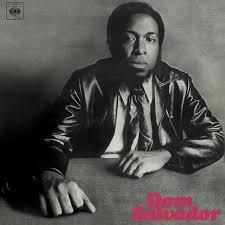
Few groups in Brazilian music have been as influential—or as ahead of their time—as Dom Salvador & Abolição. Formed at the dawn of the 1970s, the ensemble fused jazz improvisation, American funk, soul music, samba and Afro-Brazilian rhythms into a bold new musical language that anticipated many of the stylistic developments later associated with Brazilian jazz-funk and the Black Rio Movement.
At the center of the project stood pianist, arranger and composer Dom Salvador, already recognized as one of Brazil’s most sophisticated jazz musicians. With Abolição, however, he expanded his artistic vision beyond instrumental jazz, creating music that celebrated Black identity while remaining rhythmically adventurous and harmonically rich.
The result was a sound unlike anything else being recorded in Brazil.
Powerful.
Danceable.
Deeply political without becoming overtly didactic.
And remarkably modern more than fifty years later.
Dom Salvador’s Vision
Before forming Abolição, Dom Salvador had already established himself as one of the pioneers of Brazilian jazz.
His early recordings demonstrated an exceptional ability to merge samba rhythms with the harmonic sophistication of American jazz. Yet as the 1960s progressed, Salvador became increasingly fascinated by another musical revolution taking place across the Atlantic.
James Brown.
Sly and the Family Stone.
Curtis Mayfield.
Herbie Hancock.
The Meters.
Soul and funk were reshaping Black music in the United States.
Rather than simply importing these styles into Brazil, Salvador envisioned something entirely original: a distinctly Brazilian expression of Black musical identity built upon jazz improvisation, samba grooves and the rhythmic power of funk.
That vision became Abolição.
A Collective Rather Than a Band
Unlike many groups built around a single star performer, Dom Salvador & Abolição functioned as a genuine musical collective.
Each member contributed actively to the band’s rhythmic drive, harmonic richness and ensemble interaction. Horn arrangements, electric keyboards, guitars, percussion and rhythm section operated with remarkable cohesion, allowing the music to move effortlessly between jazz improvisation and irresistible dance grooves.
This collective spirit became one of the group’s defining characteristics.
Improvisation never overshadowed the groove.
The groove never limited creativity.
Instead, every performance reflected careful listening and shared musical purpose.
Brazil at a Cultural Crossroads
The emergence of Dom Salvador & Abolição coincided with profound cultural change in Brazil.
The country was living under military dictatorship, while Black musicians increasingly sought artistic languages capable of expressing identity, dignity and cultural pride. At the same time, American soul and funk records circulated widely among young audiences, particularly in Rio de Janeiro’s dance parties that would later become known as the Black Rio Movement.
Rather than copying American music, Abolição transformed those influences.
Brazilian rhythms remained central.
Jazz harmony added sophistication.
Afro-Brazilian musical traditions provided historical depth.
The result became one of the earliest and finest expressions of Black Brazilian modernity.
JazzLatitude Insight
Dom Salvador & Abolição demonstrated that Brazilian jazz could embrace funk and soul without sacrificing its own identity. Their music proved that innovation comes not from imitation, but from transforming diverse influences into something unmistakably original.
Preparing a Landmark Recording
By the time the group entered the studio in 1971, its musical language had already reached extraordinary maturity.
Years of performance, experimentation and collective development had created an ensemble capable of remarkable precision without losing spontaneity. Every arrangement reflected careful craftsmanship while leaving generous space for improvisation and rhythmic interaction.
The album they were about to record would become one of the greatest achievements in Brazilian jazz-funk history.
Its reputation would only continue growing in the decades that followed.
Buy Amazon
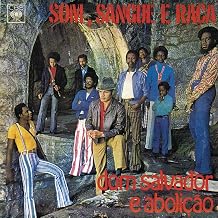
Som, Sangue e Raça: A Landmark of Brazilian Black Music
Released in 1971, Som, Sangue e Raça remains one of the defining achievements of Brazilian popular and instrumental music. At a time when most Brazilian recordings still separated jazz, samba and soul into distinct artistic worlds, Dom Salvador & Abolição demonstrated that these traditions could coexist naturally within a single musical language.
The album is both intellectually sophisticated and immediately accessible.
Its grooves invite movement.
Its harmonies reward close listening.
Its arrangements reveal remarkable craftsmanship.
More than fifty years later, it continues to sound strikingly contemporary.
For many critics and collectors, Som, Sangue e Raça is not simply a classic of Brazilian jazz-funk.
It is one of the greatest Brazilian albums ever recorded.
Jazz, Soul and Samba in Perfect Balance
One of the album’s greatest achievements lies in its extraordinary balance.
Rather than allowing one style to dominate, Dom Salvador created an organic dialogue between multiple musical traditions.
Jazz contributes harmonic sophistication and improvisational freedom.
Soul provides emotional intensity.
Funk supplies irresistible rhythmic momentum.
Samba preserves the unmistakable pulse of Brazilian music.
Afro-Brazilian traditions give the music historical depth and cultural identity.
Every element feels essential.
Nothing sounds forced.
The result is a recording whose stylistic richness remains remarkably unified.
JazzLatitude Insight
The brilliance of Som, Sangue e Raça lies not in its fusion of genres, but in its refusal to treat them as separate traditions. Dom Salvador & Abolição approached jazz, soul and samba as different expressions of the same musical heritage.
The Sound of the Black Rio Generation
Although the Black Rio Movement would reach its greatest visibility later in the 1970s, Dom Salvador & Abolição helped establish many of its musical foundations.
Dance parties across Rio de Janeiro increasingly celebrated Black American soul and funk alongside Brazilian artists exploring similar ideas. Young audiences embraced records that reflected both international influences and their own cultural identity.
Som, Sangue e Raça became one of the movement’s defining soundtracks.
Its sophisticated arrangements appealed to musicians.
Its grooves captivated dancers.
Its artistic confidence inspired an entire generation of Black Brazilian performers.
The album proved that Brazilian music could engage directly with global Black culture while remaining unmistakably local.
A New Model for Brazilian Bands
Dom Salvador & Abolição also redefined the role of the instrumental ensemble within Brazilian popular music.
Instead of functioning primarily as accompaniment for singers, the group became a fully integrated artistic voice.
Horn arrangements played an active narrative role.
Electric keyboards expanded harmonic possibilities.
Bass and drums established grooves of remarkable complexity without sacrificing accessibility.
Improvisation emerged naturally from the collective texture.
This model would later influence numerous Brazilian instrumental groups, including Banda Black Rio, Azymuth, Pau Brasil and many contemporary jazz-funk ensembles.
Rediscovered by Collectors
For many years, Som, Sangue e Raça remained a treasured secret among Brazilian musicians and vinyl collectors.
As international interest in rare groove, jazz-funk and Brazilian music expanded during the 1990s and 2000s, the album began attracting growing attention abroad. Reissues introduced its remarkable sound to new audiences, while DJs incorporated tracks into club sets alongside American soul, jazz-funk and Afrobeat recordings.
Collectors quickly recognized its significance.
Original pressings became highly sought after.
Critics praised its originality.
Musicians admired its sophisticated arrangements.
The album gradually assumed its rightful place among the essential recordings of Brazilian music.
Dom Salvador’s International Journey
After the success of Abolição, Dom Salvador eventually relocated to the United States, where he continued developing his musical career while maintaining strong connections to Brazilian jazz.
Living abroad expanded his artistic perspective.
American jazz, gospel and soul influenced his later work.
Yet Brazilian rhythm remained central to everything he created.
Throughout subsequent decades, Salvador became an important cultural ambassador, demonstrating the richness of Brazilian instrumental music to international audiences while continuing to inspire younger generations of musicians.
His work with Abolição remained the foundation upon which much of that legacy was built.
Essential Recordings
For listeners discovering Dom Salvador & Abolição for the first time, these recordings provide the ideal introduction.
- Som, Sangue e Raça (1971) — The landmark masterpiece that redefined Brazilian jazz-funk and Black Brazilian music.
- Dom Salvador Trio recordings — Essential examples of Salvador’s earlier contributions to samba jazz and modern Brazilian piano.
- Later recordings by Dom Salvador — Demonstrating the continued evolution of his harmonic language after relocating to the United States.
- Collaborative performances with Brazilian jazz musicians — Revealing his remarkable versatility across multiple generations of Brazilian music.
Together, these recordings document the artistic journey of one of Brazil’s most visionary musical innovators.
The Legacy of Dom Salvador & Abolição
Few Brazilian ensembles have left a legacy as influential as Dom Salvador & Abolição. Although the group recorded only a limited body of work, its impact has continued to expand across jazz, funk, soul and Brazilian popular music. What was once appreciated mainly by musicians and dedicated collectors is now recognized internationally as one of the defining achievements of Brazilian jazz-funk.
The significance of Som, Sangue e Raça extends well beyond its historical context.
It reshaped the relationship between Brazilian rhythm and Black American music.
It demonstrated that jazz improvisation and dance grooves could coexist naturally.
It celebrated Black Brazilian identity through artistic excellence rather than imitation.
More than fifty years after its release, the album remains remarkably fresh.
A Cornerstone of the Black Rio Movement
Although Dom Salvador & Abolição did not single-handedly create the Black Rio Movement, the group’s music became one of its strongest artistic foundations.
During the 1970s, Black dance parties throughout Rio de Janeiro became important cultural spaces where soul, funk and jazz met Brazilian rhythms. Young musicians found new ways to express identity, pride and creativity while remaining deeply connected to global Black music.
Dom Salvador’s compositions provided a sophisticated soundtrack for that transformation.
His arrangements demonstrated that Brazilian musicians could participate fully in the international dialogue of Black music without sacrificing their own cultural roots.
This balance would later inspire artists across multiple generations.
JazzLatitude Insight
Dom Salvador & Abolição proved that Brazilian music did not need to choose between national identity and international influence. Their greatest achievement was showing that both could strengthen one another through creativity, respect and rhythmic imagination.
Influence on Brazilian Jazz and Funk
The musical language developed by Dom Salvador & Abolição continues to resonate across contemporary Brazilian music.
Groups such as Banda Black Rio expanded the dialogue between jazz, funk and samba.
Azymuth carried sophisticated keyboard-driven fusion to international audiences.
Artists including Ed Motta, Ivan Conti (Mamão), Arthur Verocai and numerous contemporary instrumental musicians have acknowledged the importance of the harmonic and rhythmic innovations pioneered by Salvador.
The group’s influence also extends into modern Brazilian hip-hop, soul and electronic music, where producers frequently draw inspiration from the warm grooves and rich arrangements of early 1970s recordings.
A Favorite Among Collectors and DJs
During the international revival of rare groove culture in the 1990s and early 2000s, Som, Sangue e Raça became one of the most sought-after Brazilian albums among vinyl collectors.
Its sophisticated horn arrangements.
Deep funk rhythms.
Jazz harmonies.
Exceptional production.
All made it a favorite among DJs searching for overlooked recordings capable of surprising audiences on dance floors around the world.
Reissues helped introduce the album to a new generation of listeners, many of whom discovered Brazilian jazz through Dom Salvador & Abolição before exploring the broader history of samba jazz and MPB.
Its reputation has only continued to grow.
Essential Collaborations
Although Dom Salvador & Abolição functioned primarily as a self-contained ensemble, the group’s artistic legacy is closely connected with many of Brazil’s greatest musicians.
Among the most significant relationships are:
- Tim Maia — Together they helped shape the dialogue between Brazilian soul, funk and jazz during the 1970s.
- Cassiano — Another pioneer of Brazilian soul whose work shared Abolição’s commitment to sophisticated harmony and groove.
- Banda Black Rio — Although a separate group, its members expanded many of the musical ideas first explored by Dom Salvador & Abolição.
- Azymuth — The internationally acclaimed trio continued developing the fusion of Brazilian rhythm, jazz improvisation and funk textures introduced by Salvador’s generation.
- Arthur Verocai — His orchestral sophistication and harmonic language complement the same creative explosion that transformed Brazilian music during the early 1970s.
Together, these artists represent one of the richest and most innovative periods in the history of Brazilian popular music.
Technical Profile
Origin:
- Rio de Janeiro, Brazil
Founded:
- Early 1970s
Founder:
- Dom Salvador
Primary Styles:
- Brazilian Jazz
- Jazz-Funk
- Samba Jazz
- Soul
- Funk
- MPB
Musical Characteristics:
- Jazz-based improvisation
- Sophisticated horn arrangements
- Afro-Brazilian rhythmic foundations
- Electric keyboards
- Funk grooves
- Soul-inspired vocals and ensemble textures
Essential Album:
- Som, Sangue e Raça (1971)
Five Lesser-Known Facts About Dom Salvador & Abolição
1. The group helped establish the musical identity of the Black Rio Movement.
Although the movement included many artists, Som, Sangue e Raça became one of its earliest and most influential recordings.
2. International DJs played a major role in the album’s rediscovery.
Rare groove collectors and club DJs introduced Dom Salvador & Abolição to audiences far beyond Brazil decades after the original release.
3. The band’s arrangements remain widely admired by musicians.
Its sophisticated combination of jazz harmony, funk rhythm and Brazilian groove continues to be studied by arrangers and instrumentalists.
4. Dom Salvador later continued his career in the United States.
After relocating abroad, he remained an important ambassador for Brazilian jazz while maintaining close ties to his musical roots.
5. Som, Sangue e Raça is now considered one of Brazil’s greatest jazz-funk albums.
Once overlooked outside specialist circles, it is now regularly included among the essential recordings of Brazilian popular and instrumental music.
Frequently Asked Questions
Who were Dom Salvador & Abolição?
Dom Salvador & Abolição was a Brazilian jazz-funk collective led by pianist and composer Dom Salvador. The group became famous for combining jazz improvisation, samba, funk and soul into one of the most original sounds in Brazilian music.
Why are Dom Salvador & Abolição important?
The ensemble helped redefine Brazilian jazz by integrating Black American musical influences with Brazilian rhythms, becoming a major inspiration for the Black Rio Movement and later generations of jazz-funk musicians.
What is Som, Sangue e Raça?
Released in 1971, Som, Sangue e Raça is the group’s landmark album and is widely regarded as one of the greatest Brazilian jazz-funk recordings ever made.
How did Dom Salvador & Abolição influence Brazilian music?
Their sophisticated blend of jazz harmony, funk grooves and Afro-Brazilian rhythms inspired artists such as Banda Black Rio, Azymuth, Ed Motta and numerous contemporary musicians working across jazz, soul and Brazilian instrumental music.
Which artists are similar to Dom Salvador & Abolição?
Listeners who enjoy Dom Salvador & Abolição often explore Banda Black Rio, Azymuth, Arthur Verocai, Cassiano, Tim Maia, Copa 7, César Camargo Mariano and João Donato, all of whom contributed to the evolution of Brazilian jazz, funk and soul.
JazzLatitude Rating
| Category | Rating |
|---|---|
| Compositional Originality | ★★★★★ |
| Groove and Rhythm | ★★★★★ |
| Jazz-Funk Innovation | ★★★★★ |
| Ensemble Interaction | ★★★★★ |
| Historical Importance | ★★★★★ |
| Influence on Brazilian Music | ★★★★★ |
| Replay Value | ★★★★★ |
| Accessibility for New Listeners | ★★★★★ |
| JazzLatitude Essential | ★★★★★ |
Final Thoughts
Dom Salvador & Abolição occupies a unique place in Brazilian music because it achieved something remarkably rare: it united artistic sophistication, cultural identity and irresistible groove without compromising any of them. At a time when Brazilian music was undergoing profound social and artistic transformation, the group demonstrated that jazz, funk, soul and samba were not competing traditions but complementary expressions of a shared musical heritage.
Listening to Som, Sangue e Raça today remains a striking experience. The arrangements sound vibrant, the rhythm section still feels effortlessly modern and the dialogue between jazz improvisation and funk grooves has lost none of its vitality. What once seemed daring has become timeless.
The group’s influence can be heard throughout contemporary Brazilian music. From the pioneering work of Banda Black Rio and Azymuth to the recordings of modern jazz, soul and hip-hop artists, Dom Salvador & Abolição helped establish a musical vocabulary that continues to evolve more than five decades later.
Perhaps the ensemble’s greatest achievement was proving that innovation does not require abandoning tradition. Instead, Dom Salvador demonstrated that the richest musical ideas emerge when cultures meet with mutual respect, curiosity and creative confidence.
Today, Som, Sangue e Raça is no longer simply a treasured discovery for collectors or jazz historians.
It is recognized as one of the essential recordings in the history of Brazilian music.
For anyone seeking to understand the evolution of Brazilian jazz-funk, Black Rio and the broader dialogue between jazz and Afro-Brazilian rhythm, Dom Salvador & Abolição remains an indispensable starting point.