The Chronicle of an Era: The Mid-Fifties Studio Jam Session Vanguard and EmArcy’s Pure Captive Energy
By the arrival of 1954, the recording of vocal jazz was largely dictated by tight, commercial radio formulas. Record executives typically placed female vocalists behind rigid, highly polished pop orchestras, allowing them exactly three minutes to deliver a pristine, heavily rehearsed melody before fading out. But inside the cutting-edge facilities of Fine Sound Studios in New York City, the visionaries at EmArcy Records decided to completely smash this corporate template. They wanted to capture the explosive, unvarnished, and hyper-spontaneous environment of a late-night club jam session, translating that raw live energy onto high-fidelity magnetic tape with zero safety nets and absolute acoustic transparency.
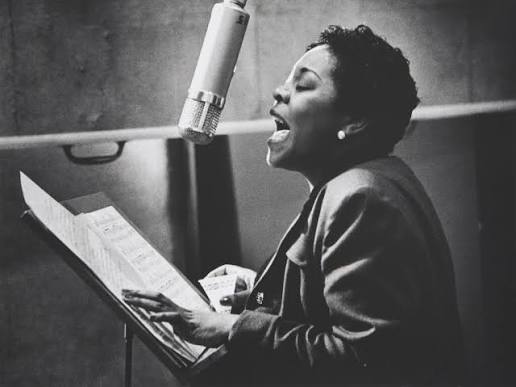
It was precisely within this climate of creative liberation, on August 14, 1954, that Dinah Washington—universally acclaimed as “The Queen of the Blues”—pioneered a historic studio experiment. Before a live, invitation-only audience of critics and friends, Washington gathered an elite cadre of modern bebop and cool jazz instrumentalists into the room, including trumpeter Clifford Brown, saxophonist Maynard Ferguson, and the legendary drummer Max Roach. The resulting album, Dinah Jams, stood as an extraordinary, historic creative threshold. It did not merely document a singer fronting a band; it established an untouchable, reference-grade audiophile monument for live studio acoustics, explosive group dynamics, and raw vocal command.
The Biography & The Concept of the Masterwork: The Queen’s Reign and the Telepathic Quintet
The artistic trajectory of Dinah Washington (born Ruth Lee Jones in 1924; died in 1963) stands as one of the most versatile and influential forces in twentieth-century vocal art. Emerging from a rigorous background in gospel choir directing and heavy big-band blues shouter apprenticeship, Washington possessed a voice of piercing, trumpet-like clarity. Her defining weapon was her absolute mastery of diction; she enunciated every syllable with a razor-sharp, rhythmic precision that allowed her to slice through the densest instrumental arrangements. She did not adapt to the band—she commanded it, dictating the tempo and emotional temperature of the room with a single glance or vocal inflection.
The core conceptual architecture of Dinah Jams represents the absolute zenith of the vocal-as-instrumentalist philosophy.
Rather than executing brief, polite pop arrangements, the ensemble stretched out into massive, multi-layered eight-to-ten-minute improvisational frameworks.
Supported by the telepathic, hyper-precise rhythmic foundation of Max Roach, Washington did not treat the instrumentalists as background support. Instead, she traded fiery, spontaneous phrases with Clifford Brown’s lyrical trumpet and stood toe-to-toe with the complex, high-velocity harmonic ideas of the horn section. The album is a masterclass in creative camaraderie, transforming the sterile studio environment into a breathing, sweating, and boundlessly joyful collective organism.
The Anatomy of the Soundstage: A Sensorial Excursion Through Razor-Sharp Diction, Whiplash Snares, and Open-Room Spontaneity
Buy Amazon
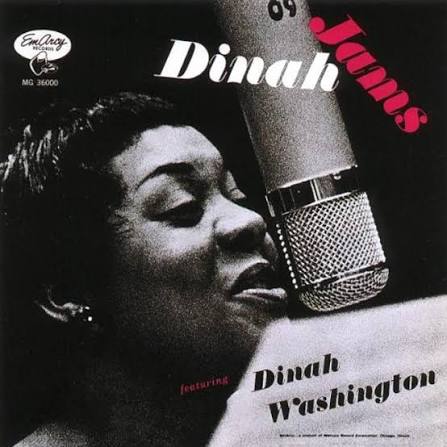
To experience an original 1954 EmArcy deep-groove monaural pressing—or a masterfully executed modern AAA audiophile vinyl reissue cut directly from the original mono master tapes—is to be treated to an astonishing demonstration of near-field microphone realism, massive dynamic headroom, and physical soundstage depth. Engineered using high-end, tube-powered condenser microphones arranged carefully to capture the ambient crowd response along with the direct instrumental bleed, the playback places the listener directly at a VIP table in the center of the studio room. Side A opens with the exhilarating, high-velocity reading of “Lover Come Back to Me”. The track materializes with Max Roach’s hi-hat and snare drum positioning themselves dead center, their transients cutting through the air with an instantaneous, whip-like snap.
The physical realism of Dinah Washington’s vocal projection is jaw-dropping; the moment she enters, her voice acts as a physical force, perfectly locked in the front-center spatial horizon.
You can hear the sharp, percussive bite of her consonants, the rich vibrato anchored deep in her throat, and the natural air pressure hitting the microphone capsule with uncompressed fidelity.
As the record transitions into the deep, late-night blues architecture of “No More”, the instrument separation reaches a masterclass level of vintage analog engineering. Clifford Brown’s trumpet emerges from the right channel with a warm, golden, and incredibly round brass texture that feels physically present.
Meanwhile, individual instrumentalists step forward to the solo microphone, their physical movements and spatial shifts captured with impeccable phase correctness. The mix preserves the raw, unedited studio chatter, the clinking of glasses, and the spontaneous gasps of the small studio audience, delivering a visceral lesson in how analog engineering can capture the lightning-in-a-bottle energy of absolute creative freedom.
The Legacy and Modern Coordinates: The Eternal Blueprint for Rhythmic Vocal Mastery
The historical, critical, and cultural trajectory of Dinah Jams stands today as an untouchable, universally studied milestone in the global evolution of jazz vocals. The album permanently shattered the artificial barrier between the “pop singer” and the “jazz virtuoso,” serving as the absolute architectural blueprint for generations of vocalists across jazz, blues, and early soul—directly influencing titans like Etta James, Aretha Franklin, and Nancy Wilson. It provided definitive, historical proof that vocal music could completely shed its commercial packaging, recapturing its identity as a dangerous, high-art improvisational discipline.
Our map looks directly back to this 1954 New York document as an essential, foundational textbook for the art of swing timing, micro-dynamic vocal control, and live ensemble integration. From contemporary vocalists who strive to navigate complex bop tempos with absolute lyrical clarity to the high-end audiophiles who use the demanding, uncompressed transients of Max Roach’s drum work and Dinah’s piercing mid-range vocals to test the speed and timing accuracy of premium phono cartridges, everyone operates within the trade routes mapped out by the Queen. Dinah Washington carved a permanent, brilliantly glowing coordinate of brass and pure rhythmic iron on our map: an eternal modern outpost that stands as an immortal monument to the infinite triumph of the syncopated musical soul.