Latest posts
-
The History of Blue Note Records: How Two Immigrants Built the Most Influential Jazz Label in History

Discover the remarkable story of Blue Note Records, the legendary jazz label founded by two German immigrants whose vision forever changed the sound, culture, and history of jazz. New York City, January 6, 1939. Snow drifted across the sidewalks of Manhattan as a bitter wind swept between the towering buildings. The world stood on the…
-
The Story Behind Kind of Blue: Why It Became the Greatest Jazz Album Ever Recorded
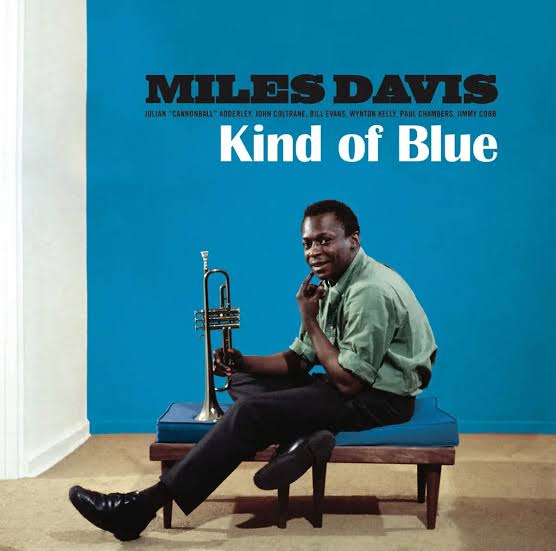
The Story Behind Kind of Blue: Why It Became the Greatest Jazz Album Ever Recorded Some albums become classics. Others change the direction of music itself. Miles Davis’ Kind of Blue belongs to the second category. Imagine stepping into Columbia’s legendary 30th Street Studio in New York on a quiet spring morning in 1959. The…
-
Hermeto Pascoal — Pra Você, Ilza: Love, Memory and the Boundless World of Música Universal

A Dedication That Contains an Entire Life There is something unusually intimate about the title Pra Você, Ilza. Before a note is heard, Hermeto Pascoal has already placed the music inside a personal history. Ilza da Silva, his wife and lifelong companion, died in 2000 after sharing decades of a life in which family, composition,…
-
Tine Thing Helseth: The Trumpeter Who Made Lyricism a Form of Strength

Beyond the Brilliant Trumpet A Different Kind of Virtuosity The trumpet has never had difficulty announcing itself. Across classical music, jazz, military traditions, ceremonial music and popular culture, its history is filled with projection: fanfares, calls, declarations, brilliance. Even when played quietly, the instrument seems to carry the memory of its public voice. For a…
-
Tone Janša: The Slovenian Jazz Saxophonist Who Helped Shape European Jazz
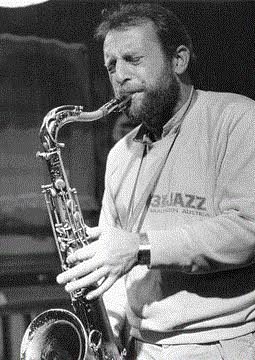
A Voice from the Other Side of Europe’s Jazz Map When the history of European jazz is told, the conversation usually gravitates toward familiar cities such as Paris, London, Copenhagen or Stockholm. These cultural capitals undeniably played central roles in the development of modern jazz outside the United States. Yet beyond those well-known scenes, another…
-
Gábor Szabó — Spellbinder: The Guitarist Who Made Jazz, Folk and the 1960s Speak the Same Language
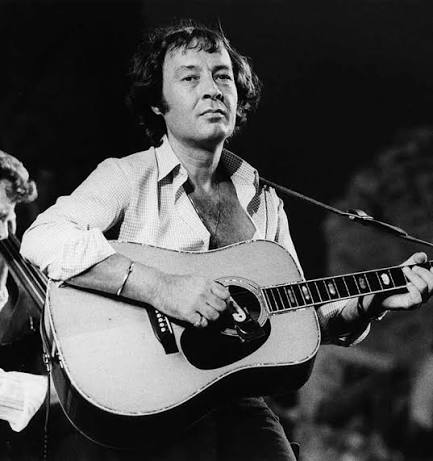
From Budapest to a Sound Without Borders Before Psychedelia Had a Name There is a temptation to hear Gábor Szabó retrospectively. Once we know that Carlos Santana would transform “Gypsy Queen” into the closing movement of “Black Magic Woman,” that Indian music would become increasingly visible in Western popular culture, and that jazz musicians would…
-
Jakob Bro — Returnings: The Quiet Art of Making Time Disappear

Four Musicians, Eight Pieces and the Space Between the Notes When Silence Becomes Part of the Composition There are jazz albums that establish their identity through velocity, harmonic density or the unmistakable force of a soloist taking control of a room. Returnings begins from almost the opposite assumption. The music created by Jakob Bro, Palle…
-
Verneri Pohjola — Monkey Mind: Finding Clarity Inside the Noise
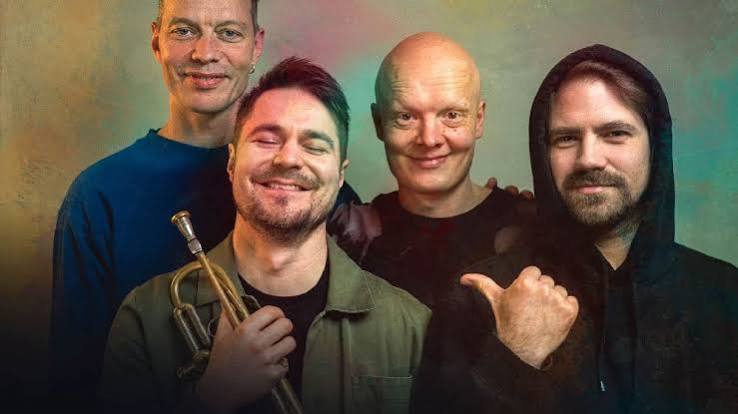
A Finnish Trumpeter Confronts the Restlessness Within When the Mind Refuses to Be Still The title Monkey Mind describes a familiar condition: the mind jumping restlessly from one thought to another, unable to settle, accumulating doubt, anxiety and distraction until even simple things become difficult to see clearly. For Finnish trumpeter and composer Verneri Pohjola,…
-
Joe Pass & Niels-Henning Ørsted Pedersen — Chops: When Guitar and Bass Became Equal Voices
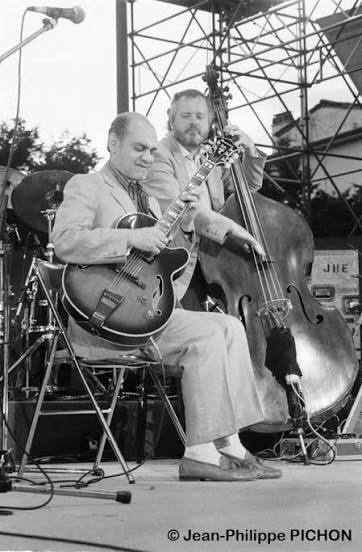
Two Virtuosos, No Safety Net A Duo With Nowhere to Hide The title Chops sounds almost provocative. In jazz vocabulary, “chops” usually refers to technical command: speed, dexterity, control, the ability to execute difficult ideas without hesitation. Few musicians of the late 1970s were better qualified to place such a word on an album cover…