
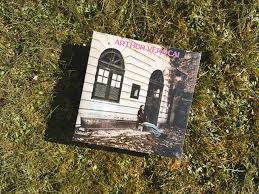
In the vast ecosystem of crate-digging, vinyl collecting, and international musicology, certain records achieve the status of a holy grail. Within the realm of Brazilian Jazz and Fusion, no album holds a more mythical, revered position than Arthur Verocai’s self-titled 1972 debut released on Continental Records.
Once a forgotten commercial failure in its home country, this $29\text{-minute}$ masterpiece has undergone a spectacular global renaissance over the last two decades. Today, original pressings command thousands of dollars at premium record fairs in London and New York, while contemporary music producers view its sonic architecture as the gold standard of arrangement.
Here is an in-depth look at the brilliant orchestration, the historical context, and the international vinyl revival that turned Arthur Verocai into a global jazz icon.
1. The Perfect Storm of Genres: Bossa, Funk, and Psychedelia
To understand why Arthur Verocai (1972) resonates so deeply with international jazz listeners, one must look at its unprecedented sonic blueprint. It is not just a bossa nova record, nor is it a straightforward jazz-funk album. Instead, it sits at the crossroads of American soul, Brazilian folk, cinematic orchestration, and subtle tropicalia psychedelia.
The Master Arranger’s Vision
Before recording his debut, Verocai was already a highly seasoned conductor and producer, having written sophisticated horn and string charts for Jorge Ben, Ivan Lins, and Marcos Valle. When given the budget by Continental to cut his own record, he brought a cinematic, widescreen approach to the studio:
- The Rhythm Section: Heavy, tight, and deeply synchronized syncopated drums paired with warm, fat basslines that mirror the American funk and soul of Motown and Stax.
- The Harmonization: Complex jazz-chords played on acoustic nylon guitars, creating a beautiful contrast against aggressive, punchy horn sections and ethereal vocal harmonies.
Tracks like “Caboclo” and “Ponteio” showcase this juxtaposition perfectly: acoustic, pastoral melodies that suddenly explode into lush, dramatic brass arrangements.
2. From Commercial Flop to Hip-Hop Immortality
When the album was released in Brazil in 1972, it was met with near-total indifference. The military dictatorship era heavily censored artistic expression, and the domestic market was not ready for a record that refused to fit into a single radio format. Disillusioned by the lack of success, Verocai stepped away from the spotlight, pivoting his career toward writing advertising jingles for decades.
The Crate-Digging Resurgence
The album’s second life began in the late 1990s and early 2000s, driven by visionary hip-hop producers and DJ crews from California and the UK. Artists like MF DOOM, Madlib, Cut Chemist, and later Ludacris and Action Bronson, discovered the record while digging through dusty crates of imported vinyl.
The Power of the Sample: Madlib’s sampling of Verocai’s strings for MF DOOM on “No Games” or Ludacris’ hit “Do Your Time” sent shockwaves through the underground music community. International collectors realized that this obscure Brazilian arranger had achieved a level of sophisticated analog production that rivaled David Axelrod and Quincy Jones.
3. The Audiophile Appeal: Mr Bongo and Madlib Invites
As demand skyrocketed, the original 1972 Continental pressing became virtually unattainable for the average collector. This led to a massive surge in high-quality, audiophile-grade reissues targeted at the North American and European markets.
| Reissue Label | Pressing Details / Format | Target Audience |
| Mr Bongo (UK) | Mastered from original tapes / $180\text{g}$ Heavyweight Vinyl | European collectors and traditional jazz purists. |
| Mochilla (US) | Live DVD/LP Timeless (2009 concert in LA) | American hip-hop and avant-garde jazz fans. |
| Madlib Invites (US) | Curated compilations and specialty pressings | Underground beatmakers and modern vinyl DJs. |
In 2009, the ultimate validation occurred: photojournalist duo Mochilla organized a $30\text{-piece}$ orchestra in Los Angeles, allowing Verocai to perform the entire 1972 album live for the very first time to a sold-out crowd of international music elites.
4. Key Tracks for the Ultimate Listening Session
If you are guiding an international audience through their first deep-listen of Verocai, these three tracks define the record’s technical and emotional genius:
- “Na Boca do Sol”: The ultimate album opener. It features a sweeping cinematic string intro that transitions into a heavy, driving drum break, topped with haunting vocal performances.
- “Sylvia”: A gorgeous, melancholic jazz-bossa track led by an intimate acoustic guitar, demonstrating Verocai’s mastery over micro-arrangements and delicate woodwinds.
- “Balada 45”: An instrumental tour de force where jazz fusion meets Brazilian groove. The intricate horn lines and sudden time-signature shifts are a masterclass for any aspiring composer.
5. The Legacy: A Blueprint for Modern High-Fidelity Audio
Arthur Verocai’s 1972 masterpiece is proof that true artistic genius transcends geographic boundaries and time periods. For today’s audiophile setup, spinning a clean reissue of this album is an immersive experience. The depth of the soundstage, the separation between the acoustic guitar strings, and the sheer power of the brass dynamics serve as a benchmark for what analog studio tracking could achieve in the 1970s.
For the international community, Verocai did not just make a Brazilian record—he created a timeless, universal language of rhythm and orchestration that continues to inspire the global jazz landscape.