The Band That Imagined a New Brazil Through Music
When international audiences think about Brazilian music, they often picture samba, bossa nova or the elegant sophistication of Antônio Carlos Jobim. While those traditions remain essential, they represent only part of Brazil’s extraordinary musical landscape. During the late 1960s and early 1970s, another revolution quietly emerged from the mountains of Minas Gerais, where a remarkable generation of musicians began blending jazz, progressive rock, Brazilian folk traditions, classical composition and fearless improvisation into something entirely new. At the heart of that movement stood Som Imaginário, one of the most original ensembles in the history of Brazilian instrumental music.
Although frequently remembered as the band that accompanied Milton Nascimento, Som Imaginário deserves recognition as a major creative force in its own right.
Its recordings reveal astonishing imagination.
Sophisticated harmony.
Explosive improvisation.
Progressive structures.
Deep Brazilian identity.
Long before the expression world fusion became fashionable, Som Imaginário demonstrated that jazz and Brazilian music could grow together without either tradition losing its individuality.
Today, their albums remain among the hidden treasures of Latin American progressive music.
Minas Gerais: A Different Musical Landscape
Unlike Rio de Janeiro or São Paulo, Minas Gerais developed a musical culture shaped by quieter landscapes, smaller cities and strong traditions of community singing.
Its music often emphasized lyricism rather than spectacle.
Harmony rather than rhythmic display.
Reflection rather than exuberance.
These characteristics would eventually become defining elements of the movement known as Clube da Esquina.
The musicians who emerged from Minas did not reject Brazil’s established traditions.
Instead, they expanded them.
American jazz.
British progressive rock.
European classical music.
Brazilian folk traditions.
Everything became available as creative material.
Som Imaginário would become one of the boldest expressions of that artistic openness.
Wagner Tiso: The Musical Architect
No figure proved more central to Som Imaginário than pianist, arranger and composer Wagner Tiso.
Classically trained yet passionately devoted to jazz, Tiso possessed an unusually broad musical imagination.
His arrangements combined orchestral sophistication with improvisational freedom.
Electric keyboards coexisted naturally with acoustic piano.
Brazilian rhythms interacted effortlessly with modal jazz.
Symphonic textures appeared beside rock energy.
Rather than treating genres as separate worlds, Tiso viewed them as complementary musical languages.
His vision became the intellectual foundation upon which Som Imaginário was built.
The Birth of Som Imaginário
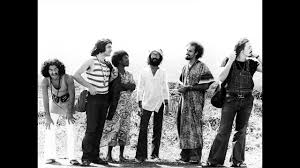
Formed in 1969, Som Imaginário brought together an extraordinary collection of musicians whose backgrounds reflected the remarkable diversity of Brazilian music.
Among its members were artists who would later become major figures individually.
Zé Rodrix contributed keyboards, vocals and compositional imagination.
Luiz Alves provided deeply melodic bass playing.
Robertinho Silva expanded rhythmic possibilities through extraordinary percussion.
Fredera, Tavito, Nivaldo Ornelas and others enriched the ensemble across different phases of its history.
Rather than functioning as hired accompanists, these musicians formed a genuine collective.
Every member shaped the evolving artistic identity of the band.
JazzLatitude Insight
Som Imaginário never tried to imitate British progressive rock or American jazz fusion. Instead, it imagined what those musical languages might become after spending a lifetime among the mountains, harmonies and poetry of Minas Gerais.
Milton Nascimento and Clube da Esquina
The close relationship between Som Imaginário and Milton Nascimento profoundly influenced both artists.
Serving as Milton’s touring and recording ensemble exposed the group to increasingly ambitious musical ideas.
At the same time, Som Imaginário contributed significantly to the sonic identity surrounding Clube da Esquina.
The collaboration worked in both directions.
Milton inspired the collective’s lyrical sensibility.
The band expanded the harmonic and instrumental possibilities surrounding his songs.
Together they helped create one of the richest periods in Brazilian musical history.
Beyond Rock, Beyond Jazz
Attempting to classify Som Imaginário within conventional genres quickly becomes impossible.
The ensemble certainly embraced progressive rock.
Jazz improvisation remained central.
Brazilian popular music shaped melodic identity.
Classical composition informed orchestration.
Psychedelia occasionally entered the musical landscape.
Yet none of these descriptions proves sufficient.
The group consistently resisted stylistic limitation.
Its music evolved according to emotional necessity rather than commercial expectation.
Every recording explored another possibility.
Another texture.
Another conversation between Brazil and the wider musical world.
The First Album
The self-titled debut, Som Imaginário (1970), immediately announced the arrival of a remarkable ensemble.
The music possessed youthful energy.
Creative fearlessness.
Unexpected harmonic richness.
Extended instrumental passages revealed the musicians’ extraordinary technical ability.
Yet virtuosity never became the goal.
The compositions remained memorable.
The grooves unmistakably Brazilian.
Improvisation emerged naturally from carefully crafted musical structures.
The album suggested enormous artistic potential.
The band’s greatest achievements still lay ahead.
Toward a New Brazilian Modernism
By the beginning of the 1970s, Som Imaginário had established itself as one of the most adventurous groups in South America.
Its musicians continued expanding their artistic vocabulary while helping shape the sound of Clube da Esquina.
The next recordings would elevate the ensemble from remarkable promise to lasting masterpiece, confirming its place among the most innovative collectives in the history of Brazilian instrumental music.
Buy Amazon

From Psychedelia to Progressive Mastery
By the time Som Imaginário entered the studio for its second album, the collective had already evolved far beyond the role of an accompanying band. The musicians had developed extraordinary confidence, both individually and collectively. Their experience performing alongside Milton Nascimento, combined with their growing interest in jazz improvisation, classical composition and progressive rock, encouraged them to pursue a more ambitious artistic vision. What emerged was not merely another Brazilian rock record, nor simply an instrumental jazz album, but a unique musical language that belonged entirely to Minas Gerais while speaking fluently to the wider world.
Every composition became more expansive.
Every arrangement more sophisticated.
Improvisation gained greater importance.
The ensemble itself became the principal soloist.
Listening today, the music feels astonishingly modern.
The Second Som Imaginário
Released in 1971, the group’s second self-titled album revealed remarkable artistic growth.
The youthful exuberance of the debut remained.
Yet the compositions displayed greater structural confidence.
Jazz harmony expanded naturally.
Electric keyboards assumed increasing prominence.
Brazilian rhythmic traditions intertwined effortlessly with progressive forms.
Unlike many rock bands experimenting with jazz influences, Som Imaginário approached improvisation as a genuine musical language rather than decorative virtuosity.
Every solo emerged organically from the composition.
Every transition felt inevitable.
The recording confirmed that the ensemble had become one of Brazil’s most adventurous creative laboratories.
JazzLatitude Insight
Som Imaginário understood that progressive music is not defined by complexity alone. True musical progress happens when every new idea deepens emotional expression rather than merely demonstrating technical ability.
Wagner Tiso’s Compositional Vision
As the ensemble matured, Wagner Tiso increasingly emerged as its principal musical architect.
His writing combined extraordinary harmonic sophistication with remarkable emotional clarity.
Classical counterpoint appeared beside Brazilian folk melodies.
Modal jazz blended naturally with orchestral textures.
Electric piano and synthesizers enriched rather than dominated the arrangements.
Unlike many progressive composers fascinated by technical display, Tiso consistently placed melody at the center of every composition.
Even the most adventurous passages remained deeply singable.
This rare balance between complexity and accessibility became one of Som Imaginário’s defining artistic strengths.
Robertinho Silva and the New Brazilian Rhythm
The contribution of Robertinho Silva cannot be overstated.
His drumming permanently expanded the rhythmic vocabulary of Brazilian instrumental music.
Traditional samba remained present.
Yet jazz swing.
African polyrhythms.
Rock energy.
Free improvisation.
All entered his musical language effortlessly.
Rather than simply accompanying the ensemble, Robertinho constantly shaped its direction.
Every rhythmic variation suggested new harmonic possibilities.
His interaction with Luiz Alves’ melodic bass playing created one of the most sophisticated rhythm sections in Brazilian music during the early 1970s.
The Orchestra Inside the Band
Although Som Imaginário usually performed as a relatively compact ensemble, the music frequently sounded orchestral.
This effect resulted not from large numbers of musicians but from extraordinary arranging.
Keyboards suggested string sections.
Woodwinds added chamber-like color.
Guitars alternated between rhythmic foundation and atmospheric texture.
Bass lines functioned melodically.
Percussion expanded spatial awareness.
The ensemble continuously reconfigured itself from piece to piece.
This orchestral imagination distinguished Som Imaginário from most contemporary progressive rock groups.
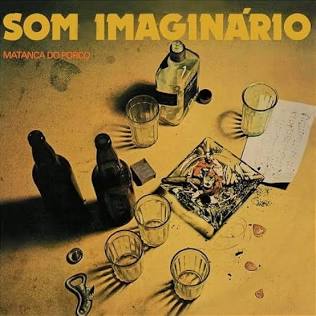
Matança do Porco
If one album defines Som Imaginário’s artistic achievement, it is unquestionably Matança do Porco (1973).
Many Brazilian critics consider it one of the greatest instrumental albums ever produced in the country.
Listening today, the admiration feels entirely justified.
The recording represents the complete integration of every influence the ensemble had explored during its previous years.
Jazz improvisation.
Progressive architecture.
Brazilian rhythm.
Symphonic composition.
Psychedelic atmosphere.
Everything coexists with remarkable naturalness.
Nothing feels borrowed.
The music possesses complete artistic confidence.
Rather than chasing international trends, Som Imaginário created a distinctly Brazilian form of progressive jazz.
Improvisation Without Excess
One of the most remarkable aspects of Matança do Porco is its treatment of improvisation.
The musicians possess extraordinary technical ability.
Yet virtuosity never overwhelms the compositions.
Improvised passages remain concise when necessary.
Extended when emotionally justified.
Every solo serves the larger musical narrative.
This discipline distinguishes the recording from many progressive albums of the same era, where technical display occasionally overshadowed compositional coherence.
Som Imaginário consistently remembered that the composition always comes first.
Brazil Meets Progressive Jazz
International listeners often compare Som Imaginário to groups such as Soft Machine, Weather Report, Return to Forever or Embryo.
These comparisons illuminate certain aspects of the ensemble’s music.
Yet they also reveal its uniqueness.
Unlike European fusion groups, Som Imaginário remained deeply rooted in Brazilian melodic tradition.
Unlike American jazz-rock, it avoided excessive emphasis on funk or blues.
Instead, it created a musical identity shaped by the poetic atmosphere of Minas Gerais.
The music breathes differently.
Moves differently.
Dreams differently.
That unmistakable personality explains why the recordings continue sounding unlike anything else produced during the period.
Beyond the Studio
Although the band’s studio recordings have achieved legendary status among collectors, Som Imaginário’s greatest strength often emerged in live performance.
Concerts allowed compositions to expand naturally.
Improvisations evolved unpredictably.
Musicians responded constantly to one another.
Every performance became a unique event.
The ensemble functioned less as a traditional rock band than as an improvising chamber orchestra.
This openness reinforced its growing reputation among Brazilian instrumental musicians.
Essential Albums
For listeners discovering Som Imaginário for the first time, these recordings provide the ideal introduction to one of Brazil’s most visionary musical collectives.
- Som Imaginário (1970) — A remarkable debut introducing the ensemble’s unique synthesis of Brazilian music, psychedelia and jazz.
- Som Imaginário (1971) — A major artistic leap, expanding the group’s harmonic sophistication and progressive ambitions.
- Matança do Porco (1973) — Widely regarded as the masterpiece of Brazilian progressive instrumental music and one of the greatest jazz-rock recordings ever produced in South America.
Together, these albums document the astonishing artistic evolution of an ensemble that permanently expanded the possibilities of Brazilian instrumental music.
Buy Amazon
The Collective That Expanded the Boundaries of Brazilian Music
Some bands become famous because they sell millions of records. Others reshape the language of music so profoundly that their influence continues growing long after the group itself has disappeared. Som Imaginário belongs unmistakably to the second category. Although its existence was relatively brief, the collective permanently altered the possibilities of Brazilian instrumental music, demonstrating that jazz, progressive rock, classical composition, folk traditions and improvisation could coexist without hierarchy. The result was not fusion in the conventional sense, but the creation of an entirely new musical identity.
That identity continues inspiring musicians today.
Its originality has only become more apparent with time.
What once sounded daring now sounds visionary.
Beyond Progressive Rock
One of the greatest misunderstandings surrounding Som Imaginário is the tendency to classify the ensemble simply as a Brazilian progressive rock band.
The comparison is understandable.
The extended compositions.
The ambitious arrangements.
The electric instrumentation.
Yet the group’s deepest musical roots lie elsewhere.
Jazz improvisation shaped its collective interaction.
Brazilian harmony guided its melodic imagination.
Classical music informed its structural thinking.
Progressive rock became only one ingredient within a far richer artistic vocabulary.
Calling Som Imaginário a rock band is almost as limiting as calling it a jazz ensemble.
It belonged comfortably to neither category.
JazzLatitude Insight
Som Imaginário demonstrated that Brazil did not need to imitate the British progressive movement or American jazz fusion. Its musicians simply allowed Brazilian harmony, poetry and rhythm to evolve naturally into something the rest of the world had never heard before.
Wagner Tiso’s Lasting Influence
Following the dissolution of Som Imaginário, Wagner Tiso continued building one of the most distinguished careers in Brazilian music.
As a composer.
Arranger.
Pianist.
Conductor.
Collaborator.
His work retained the same characteristics that had defined the ensemble.
Rich orchestration.
Sophisticated harmony.
Melodic elegance.
Deep emotional sensitivity.
Many later recordings with Milton Nascimento, symphony orchestras and instrumental ensembles reveal ideas first explored during the remarkable years of Som Imaginário.
The collective became not an ending but the foundation of an enduring artistic philosophy.
The Legacy of Robertinho Silva
If Wagner Tiso shaped the harmonic identity of Som Imaginário, Robertinho Silva transformed its rhythmic language.
His influence extends throughout modern Brazilian jazz.
Generations of drummers admire his extraordinary balance between technical mastery and musical sensitivity.
Rather than treating rhythm as accompaniment, Robertinho approached percussion as conversation.
Every pattern responded to the ensemble.
Every accent suggested new possibilities.
His work with Som Imaginário helped establish one of the most sophisticated rhythmic approaches in Brazilian instrumental music.
Clube da Esquina and Beyond
Although closely associated with Clube da Esquina, Som Imaginário deserves recognition as an independent artistic force.
The two histories remain deeply interconnected.
Yet they are not identical.
Clube da Esquina transformed Brazilian songwriting.
Som Imaginário expanded Brazilian instrumental composition.
Together they demonstrated that Minas Gerais had become one of the world’s great musical laboratories.
Their influence now reaches far beyond Brazil.
International musicians increasingly discover these recordings while exploring the broader history of progressive jazz and global improvisation.
A Hidden Masterpiece Rediscovered
For many years, Matança do Porco remained known primarily among Brazilian musicians and devoted collectors.
Gradually, however, international audiences began discovering the album.
Record reissues.
Streaming platforms.
Progressive rock historians.
Jazz collectors.
Each new generation recognized the extraordinary originality of the recording.
Rather than sounding trapped within the early 1970s, the music continues feeling remarkably contemporary.
Its openness toward multiple traditions anticipates many characteristics of modern global jazz.
Like the finest recordings, it grows younger as listeners become better prepared to understand it.
Essential Collaborations and Artistic Connections
Som Imaginário’s artistic significance becomes even clearer when viewed through the remarkable network of musicians surrounding the ensemble.
Among the most important are:
- Milton Nascimento — The partnership with Milton helped shape the sound of Clube da Esquina while giving Som Imaginário an extraordinary creative environment in which to develop its own instrumental identity.
- Wagner Tiso — Pianist, arranger and principal composer, Tiso provided the harmonic and orchestral vision that became the foundation of the group’s unmistakable sound.
- Robertinho Silva — His revolutionary drumming expanded the rhythmic vocabulary of Brazilian instrumental music and established him as one of the country’s most influential percussionists.
- Nivaldo Ornelas — The saxophonist and flutist brought a strong jazz sensibility that enriched the ensemble’s improvisational language and connected it naturally to the broader evolution of Brazilian jazz.
- The Clube da Esquina movement — Although artistically independent, Som Imaginário remained inseparable from the creative explosion centered around Milton Nascimento, Lô Borges, Beto Guedes and other musicians who redefined Brazilian music during the 1970s.
Together, these collaborations reveal a collective whose importance extends far beyond its own recordings into the very heart of modern Brazilian musical history.
Technical Profile
Founded:
- 1969
Origin:
- Belo Horizonte, Minas Gerais, Brazil
Principal Members (various periods):
- Wagner Tiso
- Zé Rodrix
- Luiz Alves
- Robertinho Silva
- Fredera
- Tavito
- Nivaldo Ornelas
Primary Styles:
- Brazilian Jazz
- Progressive Rock
- Jazz Fusion
- Psychedelic Rock
- Progressive Jazz
- Instrumental MPB
Musical Characteristics:
- Rich orchestration
- Jazz improvisation
- Brazilian harmonic language
- Progressive composition
- Chamber-like ensemble interaction
- Rhythmic sophistication
Essential Albums:
- Som Imaginário (1970)
- Som Imaginário (1971)
- Matança do Porco (1973)
Five Lesser-Known Facts About Som Imaginário
1. The group was never conceived merely as Milton Nascimento’s backing band.
Although closely associated with Milton, the musicians always maintained an independent artistic identity and produced some of Brazil’s most original instrumental recordings.
2. Wagner Tiso’s classical background shaped the ensemble’s sound.
His orchestral approach to harmony and arranging gave Som Imaginário a depth rarely encountered in progressive rock during the early 1970s.
3. Matança do Porco has become an international collector’s favorite.
Originally appreciated mainly in Brazil, the album is now widely regarded as one of the hidden masterpieces of progressive jazz and Latin American instrumental music.
4. Robertinho Silva redefined Brazilian jazz drumming.
His remarkable integration of samba, jazz, Afro-Brazilian rhythms and free improvisation influenced generations of percussionists.
5. The band’s reputation has grown steadily over time.
Unlike many commercially successful groups, Som Imaginário became increasingly admired through critical reappraisal, record reissues and international rediscovery.
Frequently Asked Questions
What was Som Imaginário?
Som Imaginário was a Brazilian progressive instrumental collective founded in 1969 that blended jazz, Brazilian music, progressive rock, classical composition and improvisation into one of the country’s most innovative musical projects.
Why is Som Imaginário important?
The group helped redefine Brazilian instrumental music by integrating jazz improvisation, sophisticated orchestration and the poetic harmonic language associated with Clube da Esquina, creating a style unlike anything else in Latin America.
What is Som Imaginário’s best album?
Many critics and collectors regard Matança do Porco as the ensemble’s masterpiece and one of the greatest progressive instrumental albums ever recorded in Brazil.
Was Som Imaginário part of Clube da Esquina?
Although not officially synonymous with Clube da Esquina, the ensemble was deeply connected to the movement through its close collaboration with Milton Nascimento and Wagner Tiso, sharing many of its artistic ideals while developing an independent instrumental identity.
Which artists are similar to Som Imaginário?
Listeners who enjoy Som Imaginário often explore Milton Nascimento, Wagner Tiso, Hermeto Pascoal, Egberto Gismonti, Weather Report, Soft Machine, Embryo, Return to Forever, O Terço and Azymuth, all of whom represent different intersections of jazz, progressive music and Brazilian musical innovation.
JazzLatitude Rating
| Category | Rating |
|---|---|
| Compositional Originality | ★★★★★ |
| Ensemble Interaction | ★★★★★ |
| Brazilian Musical Identity | ★★★★★ |
| Progressive Innovation | ★★★★★ |
| Jazz Improvisation | ★★★★★ |
| Historical Importance | ★★★★★ |
| Replay Value | ★★★★★ |
| Hidden Masterpiece Status | ★★★★★ |
| JazzLatitude Essential | ★★★★★ |
Final Thoughts
Som Imaginário occupies a unique place in twentieth-century music because it achieved something few ensembles have ever accomplished: it created a genuinely new musical language without abandoning the traditions from which it emerged. At a time when progressive rock was flourishing in Britain and jazz fusion was reshaping American improvisation, the musicians of Minas Gerais looked inward rather than outward. Instead of reproducing international trends, they drew upon the harmonic richness of Brazilian music, the lyrical spirit of Clube da Esquina, the discipline of classical composition and the freedom of jazz to imagine an entirely original artistic world.
The ensemble’s recordings remain astonishing because of their remarkable balance. Sophisticated arrangements never suppress spontaneity. Extended instrumental passages never become self-indulgent. Technical brilliance consistently serves emotional expression. Albums such as Matança do Porco continue rewarding repeated listening because every return reveals another hidden detail: a subtle harmonic modulation, an unexpected rhythmic dialogue, an orchestral texture that quietly transforms the emotional direction of a composition. This level of craftsmanship places Som Imaginário among the finest instrumental groups of its era, regardless of national origin.
Equally important is the collective’s enduring influence on Brazilian music. Through Wagner Tiso’s orchestral vision, Robertinho Silva’s revolutionary rhythmic language and the ensemble’s fearless openness toward improvisation, Som Imaginário helped expand the possibilities of instrumental composition in Brazil. Its ideas continue resonating in contemporary jazz, progressive music and modern MPB, inspiring musicians who seek to unite technical sophistication with deep cultural identity.
Perhaps the greatest achievement of Som Imaginário is that its music has become increasingly relevant with time. In an era when artists freely move between jazz, rock, folk traditions, classical music and electronic experimentation, the ensemble no longer sounds ahead of its time. It sounds completely natural. The future it imagined has finally arrived.
For anyone exploring the history of Brazilian instrumental music, Som Imaginário is far more than a remarkable progressive band.
It is one of the essential architects of modern Brazilian jazz and one of the most visionary musical collectives South America has ever produced.