A Remarkable Pianist Lost Too Soon
Few musicians have left such a profound artistic legacy through so little recorded work as Francisco Tenório Cerqueira Júnior, universally known as Tenório Jr. Although his recording career was tragically brief, his influence on Brazilian jazz and instrumental music has continued to grow with every passing decade.
His only solo album, Embalo (1974), is now regarded as one of the masterpieces of Brazilian instrumental music, admired for its elegant fusion of samba, jazz harmony and lyrical piano playing. Yet the story of Tenório Jr. extends far beyond his extraordinary musicianship.
It is also one of the most tragic stories in Latin American music.
His disappearance during the military dictatorship in Argentina transformed him into a symbol of both artistic brilliance and political violence, ensuring that his legacy would resonate far beyond the world of jazz.
Early Life and Musical Formation
Tenório Jr. was born on July 4, 1941, in Rio de Janeiro, Brazil, during a period when Brazilian popular music was undergoing profound transformation.
Growing up in Rio exposed him to an extraordinary variety of musical traditions. Samba, choro, radio orchestras and the emerging language of modern jazz all formed part of his musical education. From an early age, the piano became both his instrument and his means of personal expression.
Unlike many pianists whose development centered on classical conservatory training, Tenório Jr. absorbed much of his musical vocabulary directly from Brazil’s vibrant professional music scene.
Listening.
Performing.
Accompanying singers.
Improvising.
These practical experiences shaped a style that always balanced technical refinement with remarkable spontaneity.
Becoming One of Brazil’s Most Respected Accompanists
Before achieving recognition as a composer and recording artist, Tenório Jr. established himself as one of Brazil’s finest accompanists.
His remarkable sensitivity at the piano made him a favorite collaborator among many of the country’s leading singers and composers. Rather than dominating performances through virtuosic display, he possessed an exceptional ability to enhance melodies, anticipate harmonic movement and support vocal expression with elegance and subtlety.
Throughout the 1960s and early 1970s, he worked alongside artists including Vinicius de Moraes, Toquinho, Elis Regina, Milton Nascimento, Gal Costa and numerous other leading figures in Brazilian popular music.
These collaborations refined his musical language while exposing him to an extraordinary range of artistic influences.
Every performance deepened his understanding of rhythm, harmony and ensemble communication.
A Piano Style Rooted in Brazil
Although deeply influenced by American jazz pianists such as Bill Evans, Horace Silver and McCoy Tyner, Tenório Jr. never attempted to imitate their musical language.
Instead, he integrated sophisticated jazz harmony into the rhythmic foundation of Brazilian music.
His improvisations retained the melodic clarity of samba.
His harmonic progressions reflected modern jazz.
His rhythmic phrasing remained unmistakably Brazilian.
The result was a style of extraordinary elegance.
Quietly virtuosic.
Emotionally generous.
Entirely personal.
JazzLatitude Insight
Tenório Jr.’s greatest achievement was demonstrating that Brazilian piano jazz could develop its own harmonic identity without abandoning the rhythmic essence of samba. His music speaks fluent jazz while remaining unmistakably Brazilian in every phrase.
The Creation of Embalo
In 1974, Tenório Jr. entered the studio to record what would become his only album as a leader.
Embalo immediately revealed the full breadth of his artistic vision.
The recording combines lyrical compositions, sophisticated ensemble interaction and beautifully balanced improvisation into a work of remarkable maturity. Rather than emphasizing technical complexity, every performance serves melody, groove and emotional expression.
Although modestly received upon its original release, the album would later be rediscovered by critics, collectors and musicians around the world.
Today, it is recognized as one of the essential recordings in the history of Brazilian jazz.
Buy Amazon
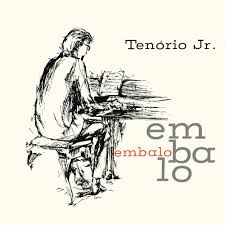
Embalo: A Masterpiece Rediscovered
When Embalo was released in 1974, it did not receive the widespread attention its artistic quality deserved. Brazil’s music scene was dominated by MPB, popular songwriters and major vocal stars, while instrumental jazz albums often remained appreciated only within small circles of musicians and devoted listeners.
Over time, however, perceptions changed dramatically.
Collectors began searching for original pressings.
Jazz historians praised its remarkable balance of sophistication and accessibility.
Musicians recognized its extraordinary pianism and ensemble interaction.
Today, Embalo is widely regarded as one of the finest Brazilian instrumental albums ever recorded and an essential work in the history of samba jazz.
Its reputation has continued to grow with every new generation.
A Perfect Balance Between Samba and Jazz
One reason Embalo remains so influential is its remarkable sense of balance.
The album never attempts to imitate American jazz.
Nor does it simply present Brazilian popular music with occasional improvisation.
Instead, Tenório Jr. allows samba rhythms, jazz harmony and lyrical composition to coexist naturally.
Every piece breathes.
Improvisation develops patiently.
Melodies remain memorable.
Rhythms feel effortless.
This musical restraint distinguishes Embalo from many technically ambitious instrumental recordings of its era.
Rather than overwhelming the listener, it invites careful attention through elegance and emotional warmth.
The Ensemble Behind the Music
Although Tenório Jr.’s piano naturally occupies the center of the recording, Embalo succeeds because of the remarkable musicians surrounding him.
The ensemble performs with exceptional sensitivity, creating an atmosphere in which every instrument contributes to the unfolding musical narrative. Rather than functioning merely as accompaniment, bass, drums and percussion participate actively in shaping rhythm, harmony and melodic dialogue.
The interaction reflects the highest ideals of chamber jazz.
No voice dominates.
Every musician listens.
Every phrase receives an answer.
This collective spirit has become one of the album’s defining characteristics.
JazzLatitude Insight
The enduring appeal of Embalo lies in its emotional honesty. Rather than relying on technical display or elaborate arrangements, Tenório Jr. trusted melody, rhythmic subtlety and attentive ensemble playing to communicate directly with the listener.
One of Brazil’s Most Sought-After Pianists
While Embalo represents the clearest expression of Tenório Jr.’s artistic identity, much of his professional life unfolded in recording studios and concert halls alongside Brazil’s greatest musicians.
Throughout the 1960s and 1970s, he became one of the country’s most respected accompanists, admired for his elegant harmonic language and remarkable musical sensitivity.
His piano can be heard alongside artists including Vinicius de Moraes, Toquinho, Milton Nascimento, Elis Regina, Clara Nunes, Maria Bethânia, Gal Costa and many other leading figures of Brazilian music.
These collaborations reveal another side of his artistry.
He always served the song first.
The piano never competed with the vocalist.
Instead, it enriched every performance through subtle harmonic color and rhythmic sophistication.
The Tragedy in Buenos Aires
In March 1976, Tenório Jr. traveled to Buenos Aires as part of the touring ensemble accompanying Vinicius de Moraes and Toquinho.
During a brief break before one of the performances, he left his hotel intending to buy medicine.
He never returned.
What initially appeared to be a mysterious disappearance gradually revealed itself as one of the many tragedies associated with Argentina’s military dictatorship during the period known as the Dirty War. Subsequent investigations and witness testimonies strongly indicated that Tenório Jr. had been mistakenly detained by security forces, tortured and ultimately killed.
He was only thirty-four years old.
His body was never officially recovered.
The circumstances of his death transformed him into one of the countless victims of political repression in South America during the 1970s.
A Silence That Lasted Decades
For many years, uncertainty surrounded Tenório Jr.’s disappearance.
Family members, friends and fellow musicians searched for answers while governments offered little meaningful information. Only decades later did judicial investigations and historical research begin clarifying what had likely occurred.
The tragedy resonated deeply within Brazil’s artistic community.
Musicians mourned not only the loss of a brilliant pianist but also the destruction of a career whose greatest achievements almost certainly still lay ahead.
His silence became part of his legacy.
A painful reminder of lives interrupted before reaching their full artistic potential.
The Rediscovery of His Music
Ironically, the years following his death brought growing recognition to Tenório Jr.’s work.
As interest in Brazilian jazz expanded internationally, Embalo became increasingly celebrated by collectors, critics and younger musicians. Reissues introduced the album to new audiences, while pianists around the world began studying its elegant harmonic language and understated improvisational style.
What had once been an overlooked recording gradually assumed its rightful place among the classics of Brazilian instrumental music.
Its influence continues to expand today.
Essential Recordings
Although Tenório Jr. left only one album as a leader, his artistic legacy extends through numerous collaborations with Brazil’s greatest musicians.
Essential listening includes:
- Embalo (1974) — His only solo album and one of the defining masterpieces of Brazilian jazz.
- Recordings with Vinicius de Moraes and Toquinho — Demonstrating his extraordinary gifts as an accompanist and ensemble pianist.
- Sessions with Milton Nascimento — Revealing his lyrical harmonic approach within one of Brazil’s richest musical partnerships.
- Collaborations with Elis Regina — Showcasing his elegant ability to support one of Brazil’s greatest vocalists.
- Studio work with leading MPB artists — A broad body of recordings that illustrates the quiet but essential role he played in shaping modern Brazilian music.
Together, these recordings reveal a pianist whose influence extends far beyond the single masterpiece that made his name legendary.
The Legacy of Tenório Jr.
Few musicians have achieved such lasting influence through such a small recorded legacy as Tenório Jr. Although his career was cut tragically short, his contribution to Brazilian jazz continues to resonate with pianists, composers and listeners around the world.
His name is now inseparable from Embalo, an album that has grown steadily in stature since its release. Once appreciated mainly by musicians and collectors, it is now recognized as one of the essential recordings in the history of Brazilian instrumental music.
Yet Tenório Jr.’s legacy extends beyond a single masterpiece.
It represents an artistic philosophy built on elegance, restraint and musical honesty.
His piano never sought to overwhelm.
It sought to communicate.
That timeless quality explains why his work remains as moving today as it was half a century ago.
A Defining Voice in Brazilian Piano
Brazil has produced an extraordinary lineage of jazz and instrumental pianists, including César Camargo Mariano, Amilton Godoy, Egberto Gismonti, Hélio Delmiro (as a guitarist and composer with strong harmonic influence), André Mehmari and many others.
Within this tradition, Tenório Jr. occupies a unique place.
His playing combined the rhythmic sophistication of samba with the harmonic richness of modern jazz without allowing either tradition to dominate. Every phrase reflected remarkable clarity of thought, while his accompaniment demonstrated an intuitive understanding of space, balance and interaction.
His influence is especially evident among Brazilian pianists who value lyricism as highly as virtuosity.
For them, Embalo remains an enduring source of inspiration.
JazzLatitude Insight
Tenório Jr. reminds us that greatness is not measured by the size of a discography but by the depth of its artistic impact. Through a single album and countless unforgettable collaborations, he helped define the sound of Brazilian jazz for generations to come.
Beyond Embalo
Although Embalo naturally occupies the center of his legacy, Tenório Jr.’s broader contribution to Brazilian music deserves equal recognition.
As a session pianist and accompanist, he participated in recordings that helped shape the golden era of MPB. His elegant harmonic sensibility enriched performances by many of Brazil’s most celebrated singers and composers, often without drawing attention to itself.
This ability to elevate the music while remaining selfless became one of his defining qualities.
He understood that accompaniment is itself an art.
Every chord mattered.
Every silence mattered.
Every musical decision served the composition rather than the performer.
Remembered Through Music
The tragic circumstances of Tenório Jr.’s disappearance have inevitably become part of his public story.
Yet his enduring legacy rests not on tragedy but on music.
Every reissue of Embalo introduces new listeners to his artistry.
Every pianist who studies the album discovers fresh harmonic details.
Every generation finds new reasons to admire the warmth, sophistication and humanity of his playing.
His work continues to transcend the historical circumstances that interrupted his life.
Music ultimately became the strongest form of remembrance.
Essential Collaborations
Although Tenório Jr. recorded only one album as a leader, his career included collaborations with many of the most influential figures in Brazilian music.
Among the most significant are:
- Vinicius de Moraes — As pianist in the poet’s touring ensemble, Tenório Jr. contributed elegant harmonic support to one of Brazil’s greatest songwriters.
- Toquinho — Their performances together reveal Tenório Jr.’s remarkable sensitivity as an accompanist and ensemble musician.
- Milton Nascimento — Collaborations that highlight his lyrical harmonic language within one of MPB’s richest musical environments.
- Elis Regina — His understated piano playing complemented one of Brazil’s most expressive vocalists with exceptional musical intelligence.
- Gal Costa — Studio work with the iconic singer demonstrates his versatility and deep understanding of Brazilian popular music.
Together, these partnerships illustrate the breadth of his contribution to one of the most creative periods in Brazilian musical history.
Technical Profile
Full Name:
- Francisco Tenório Cerqueira Júnior
Professional Name:
- Tenório Jr.
Born:
- July 4, 1941
Disappeared:
- March 1976, Buenos Aires, Argentina
Birthplace:
- Rio de Janeiro, Brazil
Primary Instrument:
- Piano
Professional Roles:
- Pianist
- Composer
- Arranger
- Accompanist
Primary Styles:
- Brazilian Jazz
- Samba Jazz
- MPB
- Brazilian Instrumental Music
Essential Recording:
- Embalo (1974)
Five Lesser-Known Facts About Tenório Jr.
1. Embalo was his only album as a leader.
Despite becoming one of the most celebrated Brazilian jazz recordings of all time, Embalo remains the only solo album Tenório Jr. completed during his lifetime.
2. He spent much of his career behind the scenes.
Long before becoming recognized as a legendary pianist, he was already one of Brazil’s most respected accompanists, contributing quietly to countless landmark recordings.
3. His disappearance became an international human rights case.
Subsequent investigations linked his detention and death to Argentina’s military dictatorship, making his story one of the most tragic episodes involving a Brazilian musician abroad.
4. Collectors helped preserve his legacy.
Original pressings of Embalo became highly sought after for decades, contributing significantly to the album’s rediscovery by younger generations of jazz listeners.
5. His influence continues to grow.
Many contemporary Brazilian pianists cite Embalo as an essential reference for understanding the relationship between samba rhythms and modern jazz harmony.
Frequently Asked Questions
Who was Tenório Jr.?
Tenório Jr., born Francisco Tenório Cerqueira Júnior, was a Brazilian pianist, composer and arranger best known for the landmark album Embalo and his collaborations with leading MPB artists.
Why is Tenório Jr. important?
He helped shape the language of Brazilian jazz through his elegant piano style, sophisticated harmonic approach and sensitive accompaniment. Although his career was tragically brief, his influence continues to inspire generations of musicians.
What is Embalo?
Released in 1974, Embalo is Tenório Jr.’s only album as a leader. It is widely regarded as one of the greatest Brazilian jazz recordings ever made, combining samba, modern jazz harmony and lyrical improvisation with exceptional ensemble interaction.
What happened to Tenório Jr.?
While touring in Buenos Aires in 1976 with Vinicius de Moraes and Toquinho, Tenório Jr. disappeared after leaving his hotel. Later investigations concluded that he was mistakenly detained during Argentina’s military dictatorship and was killed while in custody.
Which artists are similar to Tenório Jr.?
Listeners who appreciate Tenório Jr. often explore César Camargo Mariano, Amilton Godoy, Egberto Gismonti, André Mehmari, Eumir Deodato, Dom Salvador, João Donato and Tania Maria, all of whom contributed significantly to Brazilian jazz and instrumental piano.
JazzLatitude Rating
| Category | Rating |
|---|---|
| Piano Technique | ★★★★★ |
| Harmonic Sophistication | ★★★★★ |
| Melodic Expression | ★★★★★ |
| Ensemble Interaction | ★★★★★ |
| Historical Importance | ★★★★★ |
| Brazilian Jazz Legacy | ★★★★★ |
| Replay Value | ★★★★★ |
| Accessibility for New Listeners | ★★★★★ |
| JazzLatitude Essential | ★★★★★ |
Final Thoughts
Tenório Jr.’s story is one of the most poignant in the history of Brazilian music. His life ended before his artistic vision could fully unfold, yet the music he left behind has proven remarkably enduring.
Listening to Embalo today, one is struck not by nostalgia but by its freshness. The performances remain elegant, the improvisations feel spontaneous and the harmonic language sounds as relevant now as it did in 1974. Rather than reflecting a particular historical moment, the album expresses timeless musical values: lyricism, balance, restraint and genuine communication.
Those qualities explain why Tenório Jr.’s influence continues to expand.
His work has become essential listening for pianists seeking a deeper understanding of Brazilian jazz. Historians regard him as one of the great architects of modern instrumental music in Brazil. New listeners discover an artist whose recordings reward every return with fresh harmonic details and emotional nuance.
Although history remembers the tragedy that ended his life, music remembers something far greater.
It remembers a pianist whose artistry transcended circumstance.
A musician whose quiet elegance continues to inspire.
And an album that stands among the finest achievements in the history of Brazilian jazz.
For anyone exploring the rich tradition of Brazilian instrumental music, Tenório Jr. is not simply an important name.
He is one of its enduring legends.