From Havana Class to Harlem Swing
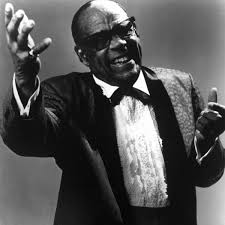
To map the definitive origins of Latin jazz, one must follow the extraordinary trajectory of Mario Bauzá. Born in Havana, Bauzá was a classical oboe prodigy who performed with the Havana Philharmonic at just 11 years old. However, a trip to New York in the late 1920s exposed him to the explosive freedom of jazz, changing his destiny forever. Returning to the US, he mastered the trumpet and embedded himself into the very heart of the Harlem swing renaissance. Bauzá’s sharp musical intellect and disciplined classical training quickly elevated him to the position of musical director for Chick Webb’s legendary orchestra at the Savoy Ballroom. It was during this tenure that Bauzá made one of his greatest gifts to jazz history: discovering a young, insecure singer named Ella Fitzgerald and convincing Webb to hire her, permanently altering the landscape of vocal jazz.
The Tanga Revolution and the Machito Alchemy
For the high-art connoisseur exploring the most explosive cultural collisions on The Jazz Compass, Mario Bauzá’s work in the 1940s represents a tectonic shift in global rhythm. In 1941, alongside his brother-in-law, the charismatic vocalist Frank “Machito” Grillo, Bauzá formed Machito and his Afro-Cubans. Bauzá served as the creative engine, meticulously structuring a new musical architecture. In 1943, during a rehearsal in New York, he spontaneously layered jazz horn arrangements directly over the complex, polyrhythmic foundation of the Cuban clave. The result was “Tanga”, universally recognized as the very first true Afro-Cuban jazz composition. Bauzá single-handedly bridged the gap between the sophisticated harmonies of big-band jazz and the ancestral, sacred drums of Cuba, creating an intoxicating sonic wave that would soon captivate the world.
The Eternal Ambassador Across the Infinite Latitude
True to the forward-thinking, borderless spirit of Jazz Latitude, Mario Bauzá’s creative geography is an enduring monument to cross-cultural unification. He didn’t just create a new genre; he built the human bridges that allowed it to thrive, famously introducing the visionary conguero Chano Pozo to his close friend Dizzy Gillespie, which led to the creation of masterpieces like “Manteca”. Bauzá spent his entire life as the elegant, sharp-dressed patriarch of Latin jazz, leading his own masterful big bands well into his eighties and recording late-career masterpieces like Tanga (1992) before passing away in 1993. Mario Bauzá left a permanent, glowing coordinate on our map—a reminder that when the deep swing of the American big band meets the sacred heartbeat of Havana, the music achieves a truly immortal, earth-shaking power.