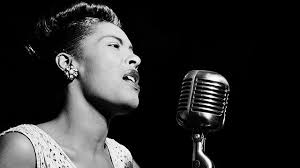
If instrumental jazz found its rhythmic foundation in musicians like Louis Armstrong, vocal jazz owes its emotional depth to Billie Holiday. Known as Lady Day—a nickname given by her dear friend and musical partner Lester Young—Billie transformed limitation into genius. Possessing a narrower vocal range than contemporaries like Ella Fitzgerald, she compensated with unique phrasing, often singing slightly behind the beat to create a tension and intimacy that made every listener feel she was singing just for them.
Billie’s life was defined by hardship, from a traumatic childhood to a constant struggle against racism and addiction. However, she transmuted this pain into art. In 1939, she defied industry and societal norms by recording ‘Strange Fruit’, a visceral denunciation of the lynching of Black Americans in the South. The song was more than music; it was a political manifesto that silenced jazz clubs and forced audiences to face the brutal reality of the time, cementing Holiday as a pivotal figure in both music and civil rights history.
At Jazz Latitude, Billie Holiday represents absolute truth in performance. She taught us that singing jazz isn’t about hitting the highest note or showcasing vocal agility, but about emotional surrender and the ability to manipulate time to serve the song’s narrative. Her influence is vast, echoing from the timbre of Nina Simone to the modern sensibility of artists like Amy Winehouse and Cassandra Wilson.