Discover the extraordinary history of the Montreux Jazz Festival, from its beginnings in 1967 to the highly anticipated 2026 edition. Explore its legendary performances, cultural legacy and why Montreux remains one of the world’s greatest music festivals.
JAZZLATITUDE DEFINITIVE FESTIVAL GUIDE
Festival: Montreux Jazz Festival
Location: Montreux, Switzerland
Founded: 1967
Founder: Claude Nobs
2026 Edition: July 3–18, 2026
Genres: Jazz, Blues, Rock, Soul, Funk, Pop, Electronic and World Music
Historical Importance: ★★★★★
Cultural Impact: ★★★★★
Recommended For
- Jazz lovers
- Music travelers
- Audiophiles
- Festival enthusiasts
- Anyone interested in music history
Where the Mountains Listen
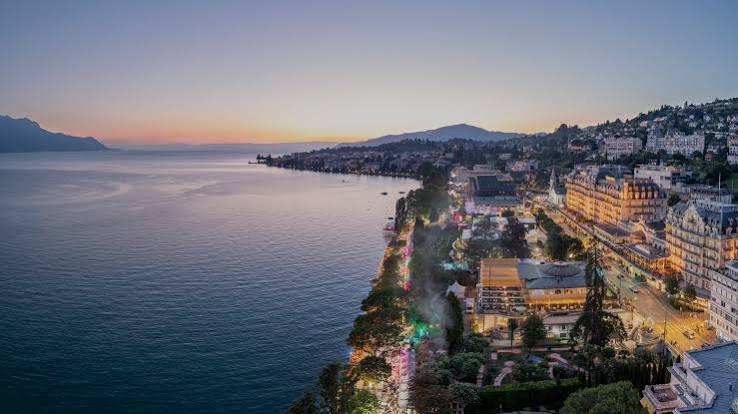
At sunset, the waters of Lake Geneva become a mirror.
Behind the lake, the snow-covered Alps glow with shades of gold and deep blue. As daylight fades, thousands of people slowly gather along the shoreline, waiting for the first notes to echo across the mountains.
This is not merely another music festival.
It is Montreux.
For nearly six decades, artists from every corner of the musical world have stepped onto its stages to perform concerts that would become part of music history. Miles Davis reinvented himself here. Nina Simone delivered unforgettable performances. Prince returned year after year, treating Montreux almost like a second home. David Bowie, Ella Fitzgerald, Quincy Jones, Herbie Hancock, Sting, Santana, Stevie Wonder and Aretha Franklin all helped shape the festival’s extraordinary legacy.
Montreux is often described as a jazz festival.
That description, while technically accurate, barely scratches the surface.
It is a celebration of artistic freedom.
A place where genres dissolve, generations meet and unforgettable moments happen with astonishing regularity.
JazzLatitude Insight
The Montreux Jazz Festival has built one of the largest live music archives in the world. Thousands of concerts have been professionally recorded, preserving performances that have become invaluable documents of modern music history.
The Dream of Claude Nobs
The festival’s story begins with one man.
Claude Nobs was not a famous musician.
He was not a wealthy entrepreneur.
He simply believed that music could transform a small Swiss town into a global cultural destination.
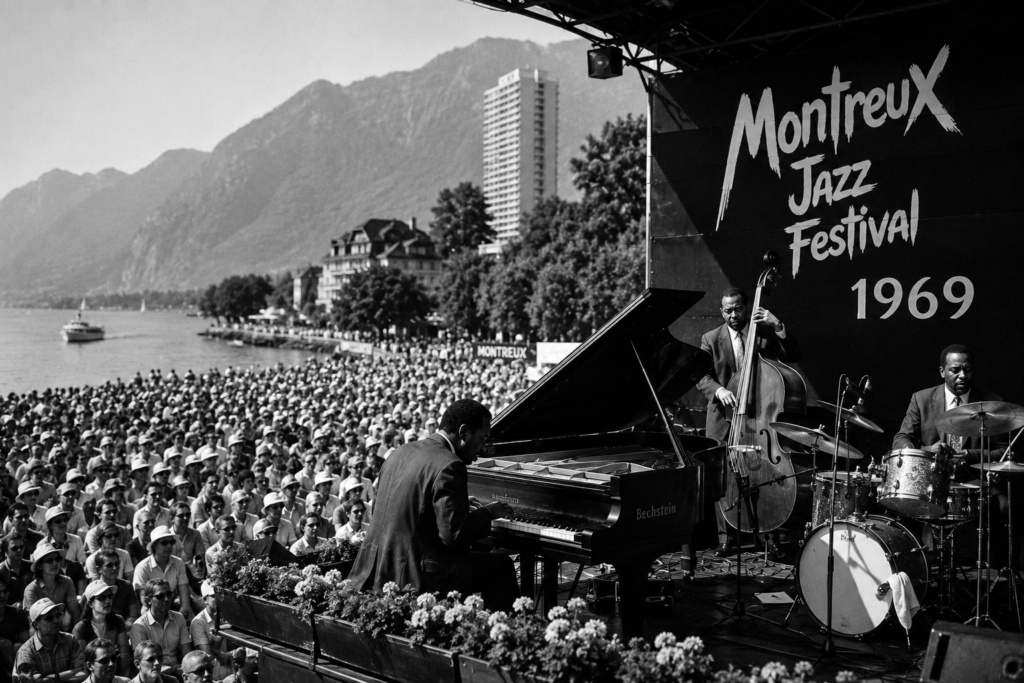
In 1967, together with Géo Voumard and René Langel, Nobs organized the first Montreux Jazz Festival.
The event lasted only three days.
Its budget was modest.
The audience was relatively small.
Yet the atmosphere felt different from anything Europe had experienced.
Rather than creating an exclusive gathering for jazz purists, Nobs imagined a festival where artists could perform freely, collaborate spontaneously and connect with audiences in an intimate setting.
That philosophy remains the soul of Montreux today.
More Than Jazz
Although jazz gave the festival its identity, Montreux never accepted rigid musical boundaries.
By the 1970s, blues legends such as B.B. King shared the spotlight with jazz masters.
Soon afterward came rock.
Then soul.
Then funk.
Later, electronic music, hip-hop, world music and contemporary pop found their place alongside traditional jazz.
Some critics questioned the festival’s evolution.
Claude Nobs never did.
His answer was simple.
Great music belongs together.
That openness transformed Montreux into one of the world’s most respected music festivals—not because it abandoned jazz, but because it embraced musical excellence wherever it appeared.
The Fire That Inspired a Rock Classic
Few moments in festival history are as famous as the events of December 4, 1971.
During a Frank Zappa concert at the Montreux Casino, an audience member fired a flare gun toward the ceiling.
Within minutes, the building was engulfed in flames.
Thousands escaped safely, but the casino was destroyed.
Watching the smoke rise over Lake Geneva were members of the British rock band Deep Purple, who had planned to record their next album there.
The experience inspired one of rock’s most recognizable songs.
“Smoke on the Water.”
The opening lyric—“We all came out to Montreux…”—immortalized the festival in popular culture.
Few music events have inspired a song recognized around the world.
Montreux did.
JazzLatitude Insight
Claude Nobs personally helped evacuate audience members during the casino fire. His courage became legendary, earning him the nickname “Funky Claude” in the lyrics of Smoke on the Water.
Legendary Performances
To list every historic concert performed in Montreux would be impossible.
Yet certain performances have become part of musical folklore.
Ella Fitzgerald demonstrated effortless vocal mastery.
Miles Davis reinvented his artistic identity during multiple appearances.
Nina Simone transformed concerts into deeply emotional experiences.
Prince’s performances remain among the most celebrated in festival history, blending technical brilliance with theatrical charisma.
Quincy Jones became one of the festival’s most important artistic ambassadors, helping strengthen its international reputation for decades.
Each generation has left its mark.
Each edition has produced moments impossible to recreate.
That sense of unpredictability remains one of Montreux’s greatest strengths.
The Sound of Excellence
Montreux is renowned not only for its programming but also for its commitment to sound quality.
Concerts are recorded using world-class production standards.
Many performances later become acclaimed live albums, documentaries and archival releases.
For musicians, playing Montreux carries a unique prestige.
For audiences, it offers the confidence that every performance will receive the technical care it deserves.
In an era dominated by disposable digital content, Montreux continues treating live music as something worthy of preservation.
Buy Amazon
Montreux Jazz Festival 2026
The 2026 edition continues this remarkable tradition.
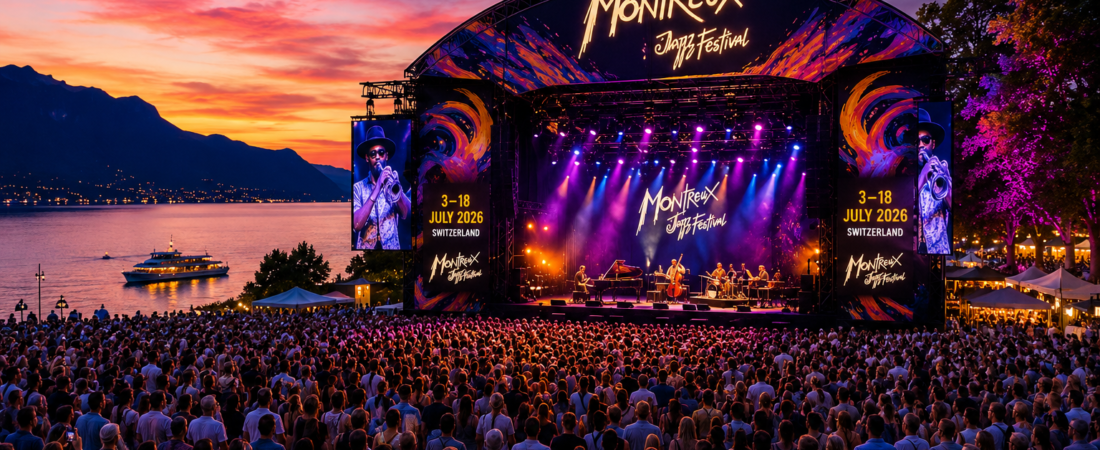
Scheduled from July 3 to July 18, 2026, the festival once again transforms the shores of Lake Geneva into one of the world’s great musical meeting places.
As in recent years, the event brings together legendary performers, contemporary innovators and emerging artists from across the globe.
The official lineup spans jazz, blues, soul, rock, pop, electronic music, hip-hop and world music, reflecting the festival’s long-standing philosophy that artistic excellence transcends genre.
Beyond the headline concerts, visitors can expect intimate club performances, free outdoor stages, educational sessions, artist conversations and late-night jam sessions—many of which become unforgettable highlights in their own right.
One of Montreux’s defining characteristics is that discovery often happens unexpectedly.
Some of the festival’s most memorable performances have come from artists who arrived with little fanfare and left as international sensations.
More Than a Festival
Few cultural events combine scenery, history and musical excellence quite like Montreux.
Walking along the lakeside promenade between concerts is part of the experience.
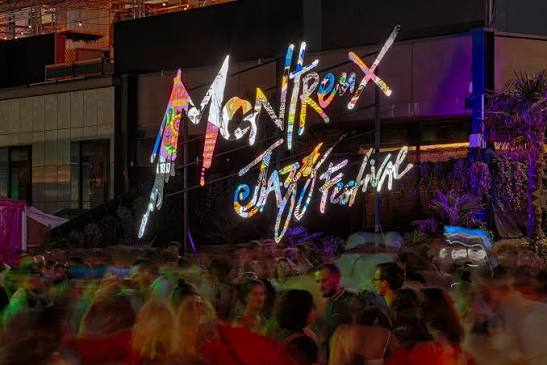
Public art installations celebrate musicians who shaped the festival.
Restaurants and cafés remain filled with conversations about performances that have just ended.
Artists frequently mingle with audiences outside the concert halls.
The atmosphere feels unusually relaxed for an event of such international importance.
Rather than separating performers from listeners, Montreux encourages encounters.
That human connection explains why so many musicians return year after year.
Why Montreux Still Matters
Music festivals exist around the world.
Very few become institutions.
Montreux achieved that status because it never stopped evolving.
It honors jazz without becoming trapped by nostalgia.
It embraces new generations without forgetting the artists who built its reputation.
Most importantly, it continues reminding audiences that live music possesses a unique emotional power no recording can fully replace.
Every edition becomes another chapter in a story that began beside Lake Geneva in 1967 and continues to inspire musicians and listeners across the globe.
Practical Information – 2026 Edition
Dates: July 3–18, 2026
Location: Montreux, Switzerland
Venue: Multiple lakeside stages and indoor concert halls
Music: Jazz, Blues, Rock, Soul, Funk, Pop, Electronic, Hip-Hop and World Music
Official Website: https://www.montreuxjazzfestival.com
JazzLatitude.com Rating
| Category | Rating |
|---|---|
| Historical Importance | ★★★★★ |
| Musical Diversity | ★★★★★ |
| Cultural Impact | ★★★★★ |
| Artist Experience | ★★★★★ |
| Atmosphere | ★★★★★ |
| Live Production Quality | ★★★★★ |
| JazzLatitude Essential | ★★★★★ |
Frequently Asked Questions
Is Montreux still a jazz festival?
Yes—but it has evolved into a broader celebration of music while maintaining jazz as its cultural foundation.
Why is Montreux considered so important?
Its combination of legendary performances, exceptional production quality and artistic openness has made it one of the world’s most respected music festivals.
Can visitors attend free concerts?
Yes. Every edition includes numerous free stages and public performances alongside ticketed headline events.
Why do so many famous artists return to Montreux?
The festival offers exceptional acoustics, world-class production, intimate audiences and an atmosphere that encourages artistic freedom.
When is the 2026 edition?
The 2026 Montreux Jazz Festival takes place from July 3 to July 18, 2026.
Final Thoughts
The Montreux Jazz Festival is not simply a destination for concerts—it is a living archive of modern music. Every edition adds new performances to a legacy that spans generations, while preserving the spirit envisioned by Claude Nobs nearly sixty years ago.
Whether you come for jazz legends, groundbreaking contemporary artists or the unforgettable setting on the shores of Lake Geneva, Montreux offers something increasingly rare in today’s musical landscape: authenticity.
It is a place where history is honored, new voices are welcomed and extraordinary moments continue to unfold.
As long as music brings people together, Montreux will remain one of its most inspiring stages.
Montreux Jazz Festival Amazon